

Essential German to Celebrate St Martin's Day in November
Have you heard about Martinstag (St Martin’s Day)? It’s a great way to celebrate as the autumn season begins in Germany, so you can talk to your German friends about the St Martin’s lanterns, bonfires, and songs.
This article gives you lots of vocab, recipe ideas and inspiration to learn more about Martinstag in Germany.
Full of candy, scared and spooked, disguised as a creature of the night…that's Halloween. The festival is very popular in the English speaking world.
But have you heard about Martinstag (St Martin’s Day)? It’s a great way to celebrate as the autumn season begins in Germany, so you can talk to your German friends about the St Martin’s lanterns, bonfires, and songs.

What is St Martin's Day?
St Martin’s Day is (you guessed it from the name) a religious feast inspired by the story of St Martin of Tours.
Here’s the story of St Martin:
Martin is riding along a path on a cold November night. He comes across a beggar by the roadside and even though he's got nothing on him, he decides to help the poor man out by ripping his cloak in two and sharing it.
Well, this is the version of the story that I remember from Kindergarten anyway. If you read up on it on Wikipedia, the tale becomes a LOT more religious. Religious references aside, what the feast day celebrates today is the value of generosity and sharing with those in need.
Essential German for St Martin's Day
If you love learning German with stories, I recommend German Uncovered, my super comprehensive course loved by German learners all over the world. It was created in collaboration with StoryLearning, and will help you learn German in context without having to cram and rote learn.
Martinstag - St Martin’s Day
der Umzug, die Parade - procession
die Laterne - lantern
eine Laterne basteln - to make your own lantern
basteln - crafting
leuchten - to shine, to glow
das Licht - light
das Martinsfeuer - bonfire to celebrate the day
die Sterne - the stars
der Soldat - soldier
der Bettler - beggar
teilen - to share
Need ideas for remembering vocabulary better? Click here to read how to get great vocab memory.
How Germans Celebrate St Martin's Day

Danke an laterne-basteln.de
St Martin's Day is celebrated in Germany around 11 November. It’s particularly common in the Rhineland.
Many children celebrate by carrying little lanterns (often homemade), and following a procession with music, warm drinks, and sweet treats. Sometimes, the procession is led by a "St Martin" wearing a red coat and riding a horse. Often they are accompanied by a local band playing the famous St Martin's songs.
My own rural German background includes happy memories of lanterns, songs, and a big Martinsfeuer (bonfire) at the end, where people would gather and enjoy seasonal treats. For the adults, I’m pretty sure there was some warm Glühwein (mulled wine) involved.

Martin’s parade (photo via mexicanosenalemania.de)
Read on to find out what sweet treats are in store if you attend a Martinsumzug (St Martin’s Day parade) yourself. And if you spot someone you’d love to chat to 😍, don’t miss my tips for how to flirt in German.
If you want to celebrate St Martin's Day too, you can build little lanterns, sing a song with the children (or with your mates!) or bake a lovely Weckmann (recipe below).
St Martin's Day Songs
The easiest song to learn is "Laterne, Laterne", with its three lines of lyrics.
Laterne, Laterne
Sonne, Mond und Sterne
Brenne auf mein Licht, Brenne auf mein Licht
Aber nur meine liebe Laterne nicht!
(Lantern, Sun, Moon and Stars. Let my light burn brightly, but not my dear lantern!)
Other great songs for this season include "Ich geh' mit meiner Laterne" and "St Martin". You’ll hear these played at processions, bonfires and sung in Kindergarten.
What to Eat on St Martin's Day in Germany
St Martin’s Day is a feast day, so there are plenty of sweet treats to be had.
Look out for these St Martin’s Treats in German Bakeries in November:
Weckmänner are pastries made with sweet dough. They come in the shape of a person, often with raisins for the eyes. The little guy also comes with a clay pipe.
The word Weckmann combines Weck (Southern German word for a bun) and Mann (man). You’ll also hear them called Stutenkerl in some parts of Germany.
Martinsbrezel are sweet dough pretzels covered in sugar.
Glühwein is mulled wine. The wine (often high quality local wine) is heated up with spices and sugar to create a comforting winter drink. If you’re not into drinking alcohol, there’s often a sober version available (look out for words like Punsch and Kinderwein).
Here is a Weckmann recipe in German, with thanks to the website chefkoch.de. How much do you understand?
Zutaten
1 Kilo Mehl, 1 Würfel Hefe, 150 Gramm Zucker, 90 Gramm Butter, 1 Teelöffel Salz und 500ml warme Milch.
Anleitung
Zuerst das Mehl, die Hefe und 125ml Milch vermischen und 10 Minuten gehen lassen.
Butter, Zucker, Salz und restliche Milch auflösen und alles mit dem gegangenen Teig verrühren. Aus dem Teig Weckmänner formen und 10 Minuten gehen lassen.
Mit Milch bestreichen und 15-20 Minuten bei 220 Grad backen.
Quick Q&A About St Martin's Day
Speedy questions, speedy answers!
What do you do on St Martin’s Day?
On St Martin’s Day (11 November), many people in Europe celebrate with seasonal foods, processions, and bonfires.
In Germany, children often craft lanterns and sing songs at local processions.
Why is St Martin’s Day celebrated?
St Martin’s Day commemorates St Martin of Tours, known for sharing his red cloak with a freezing beggar during a snow storm. St Martin stands for generosity and charity.
How long has St Martin’s Day been celebrated?
St Martin’s Day, also known as Old Halloween or Martinmas, has history going back over 1500 years. It falls on the end of harvest season and was celebrated throughout the Middle Ages, and all over Europe.
Where to Learn German for St Martin's Day
If you love learning German with stories, I recommend German Uncovered, my super comprehensive course loved by German learners all over the world.
It was created in collaboration with StoryLearning, and will help you learn German in context without having to cram and rote learn.
Here are some more handy links for German learners:
My full German learning resource list for all levels
Little-known facts about speaking German to level up your pronunciation skills
Hope you enjoyed this article - have a great St Martin’s Day, wherever you are celebrating! 🏮
How to Learn a Language at Christmas (Even If You Don't Celebrate Christmas)
It’s the season / ‘tis the season to relax with friends, decorate the home and…hang on, how are you meant to fit language learning in between all that celebration energy?
Don’t worry, I’ve got you covered! Read this article to get easy tips for learning a language during the holiday season.

With just a few days to go until the Christmas holiday, chances are you might be feeling busy right now. When you’ve got gifts to wrap and trees to light, how can you keep learning languages?
Don’t worry, it’s not impossible. In this podcast and article, I’ve got handy tips for you to keep you in touch with any language - no matter if it’s Christmas, Kwanzaa, Hanukkah or Pagan Yule season.
You can also find this podcast by searching “Fluent Show” on 🍎 apple podcasts 📣Spotify 🔶Overcast 📻TuneIn Radio 🏆and anywhere you get podcasts
1) Surround Yourself With Your Target Language
At this time of the year, you’ll probably spend a lot of time in the home. You may already be decorating your house, which is a great opportunity for subtle language immersion.
The psychological concept behind this tip is that of priming, which describes the way your brain reacts to even the tiniest cues and adjusts its assumptions and expectations accordingly. You can use it to your advantage by decorating with a little language flair.
How about
- a few decorations adorned with words in your target language
- multilingual cards and greetings this year (try Irregular Endings)
- making and serving different foods and drink, inspired by your target culture
Even if your items don’t have any words in your target language on them, they will remind you that you’re a learner of another language and bring your loved ones in on your project.
2) Seek Out Tutorials in Your Target Language
This time of year is perfect for homemade gifts, decorations, and food. If you have an IRL friend who practices your target language with you, get out of the “1-to-1 conversation” routine and make something together!
For added bonuses, use a tutorial in your target language. This is excellent practice for reading comprehension and boosts your motivation by giving you something instant to show.
For example I’ve made biscotti before from a recipe in my Welsh learners’ magazine and then I packaged them up and gave them to friends and family as Christmas presents.
Look out for
- Crafting tutorials and magazine articles in your target language
- Recipes for seasonal food
- Crafting materials and instructions
3) Host a Language Party
The holiday season is a time to get together, not to sit alone and stare at Duolingo or Memrise. Here are a few ideas for bringing a bit of language flair to your holiday party:
Play Games Together
There are so many great word games that broaden your horizons about English, and it’s not too difficult to adapt them to a multilingual group. For example, guess the answers to a round of Pictionary or charades in another language, or get your friends to act out your vocabulary lists for you!
For more ideas, read these ideas for language learning games in a group.
Discover Music in Your Language
Play music in your target language and explore and share how they celebrate the season. If possible, get out and visit a celebration in the community of your language. There’s lots going on and during the holiday season most people love to open their doors.
If you haven’t found any music in your target language yet, go straight to my Spotify for Language guide or this multilingual Christmas song made by Lindsay Williams.
Watch a Christmas Movie
Many people have a favourite film about Christmas, and if you don’t have one yet then Netflix is ready to help out with every new instalments of the Christmas Prince series.
Here are a few ideas:
- Un conte de Noël in French
- 3 Haselnüsse für Aschenbrödel,a German/Czech 70s classic
And of course, you can always put target language subtitles on Die Hard!
If you have not found a festive movie in your target language yet, now is the time to ask and enjoy some well-deserved downtime.
What If Your Target Language Has No Christmas Season?
No worries!
Use decorations that suit the season, and learn about celebrations at this time of year
Sneak a little snack or food from your target language environment into the boring old Christmas with Aunt Bridget
Use festive colours and glitter pens to write your vocabulary lists and language notes
Take pictures of your decorations and add them to your digital flashcard apps (for example, Smartcards + lets you easily add photos)
Find Time and Focus For Studying Your Language
The winter holiday season often means a drop in productivity. You are likely interrupted in your routine, and you may find yourself with lots of extra tasks on your plate.
If you find yourself wanting stay productive without the added stress, take my short language course Focus & Fluency.
It’s a proven way to get more motivated and kickstart your learning with smarter study techniques.
No matter what you do, merry Christmas if you do celebrate it - nadolig llawen - frohe Weihnachten, and comment below sharing your favourite songs and movies in your target language.

7 Reasons Your Cultural Awareness Matters More Than Perfect Vocabulary
You know about vocabulary lists, flashcards and pronunciation guides, but sometimes there’s more at stake than just knowing the language. In this article, you’ll learn about the hidden ingredient you need for avoiding misunderstandings (even offence!) worldwide.
The following post is written by the lovely Michele from Intrepid Guide, a blog dedicated to language and travel.
How well would you say you speak the foreign language you’re learning? Are you beginner, intermediate or even advanced and near fluency?
Now, I don’t want to bust your bubble, but, you may not be as ‘fluent’ as you think.
While we may learn languages with the goal of being fluent (whatever that means to you) the most important question to ask here is, how culture-savvy are you?
You may understand a foreign language but that doesn’t guarantee that you understand the nuances and the whole range of meaning that native speakers communicate to you.
Communicating in another language requires more than just memorising words and grammar. We have to learn how to communicate beyond words by understanding its culture. Therefore, as we study a language, we must learn it alongside its culture.
Afterall, language is culture!
What is Cultural Awareness?
Cultural awareness understanding that our own culture differs from one individual and group to the next, and specifically from our target language.
Being culturally aware helps us recognise and have an appreciation for other’s values, customs and beliefs and meet it without judgement or prejudice.
As we encounter new languages and cultures we begin to make comparisons and realise that our own behaviours, values and beliefs are not the general norm found elsewhere in the world.

Michele at the Vatican
Why is Cultural Awareness Important?
Cultural awareness is key when we communicate with people from other cultures. Since we use language to communicate, our knowledge of foreign languages gives us ‘access’ to different societies and cultures. We become mediators between cultures.
The most important reason why we should be culturally aware is so we have an increased awareness of people all over the world. This helps us develop a deeper understanding of our own and other people’s cultures, while broadening the mind and increasing tolerance.
Expressing Respect
When we are culturally aware we know what is considered inappropriate or offensive to others. For example, incorrect body language and can lead to misunderstandings. Even something as simple as nodding your head in agreement can be misunderstood in places such as Greece, Bulgaria, and Albania where shaking one's head can actually mean yes.
In Western culture we’re taught that it’s polite to look someone straight in the face when talking to someone, however, in Japan this is considered disrespectful.
Being culturally aware isn’t just for those learning a foreign languages either. As an Australian who swapped her life in Melbourne for a life in Rome and then again for London (where I’m currently based), I learned that even between English speaking countries our cultures can differ and that these differences can surface in unsuspecting ways.
During the past 5 years of living in the UK, I’ve accidentally ruffled a few feathers and learned some important cultural lessons the hard way.
Here are 7 times learning cultural awareness changed my life way more than any vocab table ever could
1. Inviting STRANGERS Round To Yours - Kidnapping Or Hospitality?
Whilst living in Italy, I travelled the country extensively and took many walks and tours with local guides. Each of Italy’s regions has its own personality, unique history, culinary delights and beauty. You can’t just visit Florence or Rome. You have to visit other cities too to really understand Italy.
When I was on one of these local tours in Milan, our guide explained that we shouldn’t be ‘discouraged’ if we encountered a ‘rude’ Milanese. She explained that people from Milan can seem rude or cold at first, but once you make an effort to get to know them they are just as warm and welcoming as we’ve come to know Italians to be.
Compare this with an experience I had at the opposite end of Italy in Sicily. One summer I was in Palermo celebrating a girlfriend’s birthday with 4 other girlfriends. we went to dinner at a popular restaurant frequented only by locals. It’s fair to say we stuck out a sore thumb.
After about 10 minutes at our table, a middle-aged lady from a neighbouring table who was with her family enquired where we were from. Her eyes lit up when we replied in Italian. After no more than 5 minutes of chatting, Maria invited all 5 of use around to her house the next day for coffee and cake! She gave us her number, address and a time. It was all set.
I’d never in my life received such an invitation. After some internal juggling wondering if we were about to experience Liam Neeson’s movie ‘Taken’, we decided to take our chances and go. I’m so glad we did. Maria had very kindly baked two different homemade cakes and even gave us her recipe.
This would whole encounter would never happen in Australia, or the UK for that matter. To this day I still can’t believe it did. It just goes to show that just because you do things one way in your country, doesn’t mean it’s the same everywhere else.
2. American, British, and Australian English: Similar but Different
Even though Australia is a British colony and Australian English is based on British English, we’re not very politically correct with our choice of words. Australians say things that can be considered highly offensive, but we do so without malicious intent.
It's like we’ve used these words so much in everyday speech that they've lost all power and negative connotations that it no longer offends anyone, hopefully.
This was and still is the hardest lesson for me to learn since living in London and something I still struggle with today.
An example of a word that Australians will use without batting an eyelid and which makes up part of many common Australian idioms is the word ‘bloody’. So common is it for us to say ‘bloody’ that it was even part for a A$180 million advertising campaign by Tourism Australia that was banned in the UK for being too offensive. The slogan read “So, where the bloody hell are you?”.
A more extreme example, which I know will probably make you cringe, is the use of the highly offensive c-word. It may surprise you to learn that many Australian males will use this as a sort of term of endearment towards other males. They’ll say things like, “Hey c&!, how are ya?”, or “he’s a good c%!.” The c-word is never directed to females or used by them as it’s still considered an offensive word, but it’s not nearly as taboo as it is in the UK or America.
3. Being 'On Time' Means Being Early, Late, Or Just On Time Depending On Where You Are
Even being punctual can cause misunderstandings. While Germans consider punctuality to be very important, the exact opposite is true in South America where it is considered rude to arrive on time.
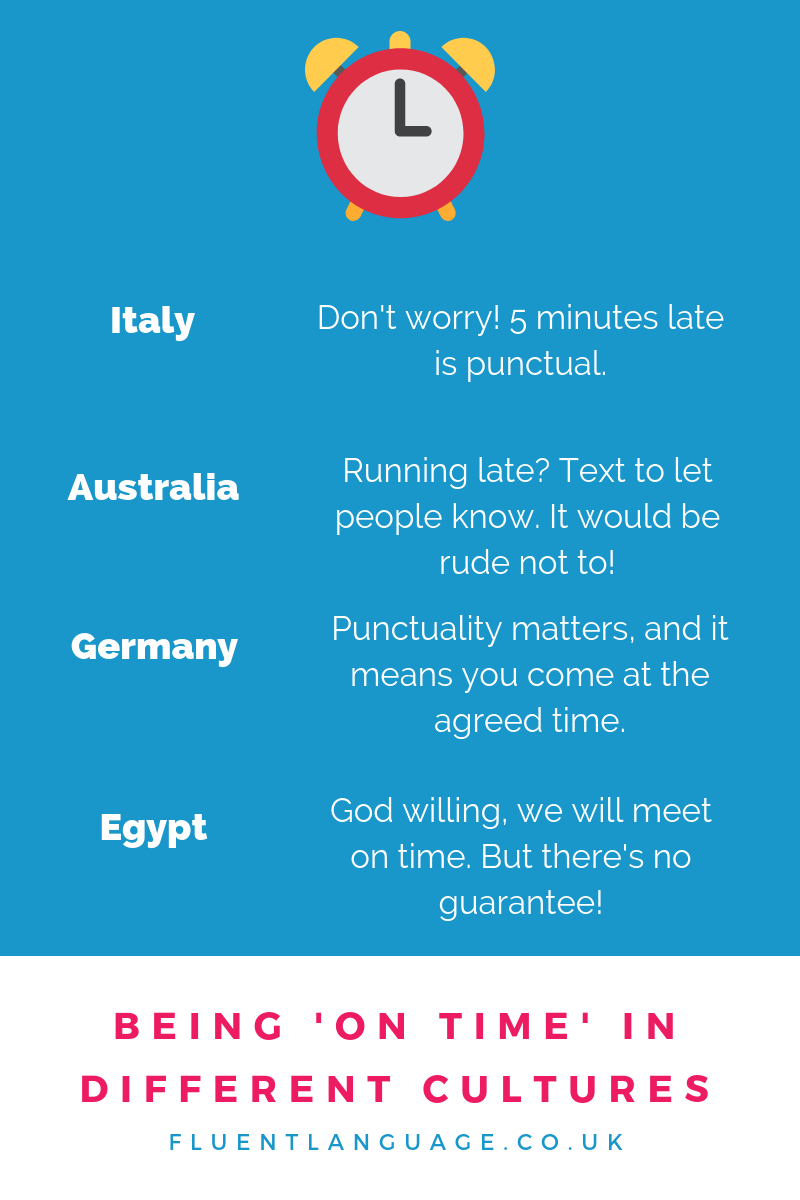
During my early days in Rome, I distinctly remember the first time I was running late to an appointment with my Italian friends. I messaged my friend Marta and apologised for running 5 minutes late. She responded with Ma Michele, sei troppo anglofono. Non ti preoccupare! (Michele, you’re too English, don’t worry!).
When I started learning Arabic leading up to my trip to Egypt, I learned that if you say to someone that you’ll see them tomorrow they might reply with, ‘in sha Allah’ or ‘insha'Allah’ which literally means ‘god willing’. This is often used in response to anything tentative, or when timing is in question.
The phrase expresses the belief that nothing happens unless God wills it ("if God doesn't want me to be on time..." ¯_(ツ)_/¯ ). From this one phrase we can see just how much of an influence religion plays in the Arabic language and in the lives of those who speak it.
A similar phrase is also found in Spanish and Portuguese, ojalá (Spanish) and oxalá (Portuguese). This was adopted into both languages after they came into contact with the Arabic speaking world as far back as the 8th century.
4. Saying 'Thank You' Can Make Your Host Unhappy - Only In Italy?

One year I celebrated Easter with a friend’s family in Naples. They welcomed me and my Dad who was visiting into their home and fussed over us making sure we had everything we needed and making special dishes just for us. They made us feel so special, like we were part of the family. I was so grateful and I wanted to let them to know.
Everytime Carmela, my friend’s mum, would hand me a plate, or do anything, I would say “grazie” (thank you). On the third day, Carmela said something I’ve never forgotten.
“Michele, devi smettere a ringraziarmi, mi fa piacere. Siamo famiglia e non si ringrazia familia. Non mi piace,... ci separa.” (Michele, you have to stop thanking me, it’s my pleasure. We’re family and you don’t thank family. I don’t like it,... it separates us.)
Before that moment, I never thought that thanking someone could offend them but I could understand Carmela’s point. At the same time, it felt foreign to me to not show my appreciation and gratefulness towards her for everything she was doing for us. I felt like I was being rude, but it was what she wanted so I had to fight my instincts so I wouldn’t not offend her again.
5. You Can Scare Italians With An Ill-Timed Party
After organising my birthday party whilst living in Rome, I learned just how superstitious Italians are.
You see, I have the unfortunate pleasure of being born two days after Christmas when most people aren’t around to celebrate with me. This usually means I have organise my birthday celebrations a couple of weeks in advance while everyone is still around.
The first time my birthday rolled around in Rome, I knew I wanted all my friends to be there and that since most of my friends weren’t from Rome and would be heading home for Christmas, no one would be around to celebrate my birthday on the 27th of December.
With that in mind, I booked a venue two weekends prior to my actual birthday and sent out the invites. Within minutes I was inundated with messages “Ma, Michele, non si può festeggiare il compleanno in anticipo, porta sfortuna!” (But, Michele, you can’t celebrate your birthday early, it’s bad luck!).
Up until this point I had never heard of such a thing. Growing up in Australia, it was something I was used to doing otherwise I’d never see my friends for my birthday. I felt that if I celebrated after the fact (which by then would be New Year’s Eve) everyone would be all partied out and celebrating the following year just didn’t feel right.
After explaining that for an Australia it wasn’t bad luck, they tried to understand but it still didn’t sit well with them. On the night of the party they didn’t wish me happy birthday, they insisted on waiting until the my actual birthday to tell me.
6. Gruesome Things Can Happen If You Don't Make A Toast With Caution

The custom of making a toast is universal. That moment when you say Cheers! Prost! Salud! or L’chaim! in celebration of anything from New Year’s Eve to weddings to a night out with friends.
This seemingly simple and harmless practice comes with disclaimers in some culture who have their own twists on this tradition.
In Spain, for example, making a toast with water or any non-alcoholic drink is considered bad luck resulting in ‘seven years of bad sex.’
Those in France or Germany believe the same to be true it you don’t make and hold eye contact whilst making a toast.
Living in Italy, I learned that Italians take things a step further. Aside from not being able to toast with water, and making sure you maintain eye contact, you also can’t toast with a plastic cup and you have to touch a table or ledge with the bottom of your drink after clinking glasses with everyone.
Interestingly, this superstition comes from the Ancient Greeks who, according to Greek mythology, would toast to the dead with glasses of water to symbolise their voyage, via the River Lethe, to the Underworld.
Who knew making a toast could be so complicated?
7. La Dolce Vita, Let It Change Your Outlook On The Working World
When I moved to Italy, I left behind a pretty intense job where I worked crazy hours, sometimes working til 1 or 2 am. In places like Australia, the UK and America, you’re rewarded for working overtime which usually comes in the form of a pay rise or promotion, where funnily enough you’re given even more work to do!
Living in Rome made me realise how flawed this whole concept was of working hard and sacrificing time with friends and family for the sake of climbing the corporate ladder. I quickly learned that Romans value time with their family and friends so much that they don’t have this poisonous desire to work overtime just to get ahead. Quite often, I would go out with friends til 1, 2 sometimes 3 am on a “school night”. We weren’t getting drunk, were were just socialising and just hanging out.
I never did this in Australia, but in Rome I was living La Dolce Vita or the Sweet Life. I replaced my work addiction with friendships and I began to value my relationships over work. I enjoyed life to the fullest with the people who matter and sometimes that meant staying out until the wee hours of the night.
La Dolce Vita isn’t just for Italians though, the Danes have their own version of this too. Unless you’ve been living under a rock, the Danish word hygge (pronounced hue-guh) has gained worldwide popularity. Hygge describes the feeling you get, either alone or with friends, where you feel cosy and have warm feelings of togetherness, contentedness and enjoying the simple things in life.
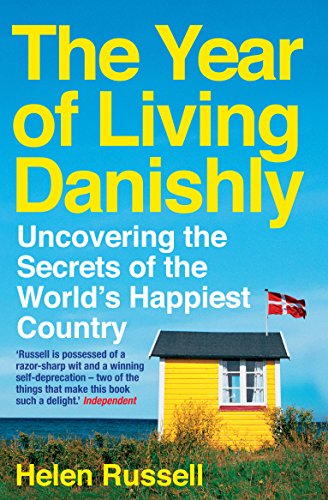
The Danes also don’t believe in overtime. Helen Russells explains in her book, a The Year of Living Danishly, that working overtime is not only frowned upon by your peers but you’re considered as being inefficient!
In Conclusion
Being knowledgeable in foreign languages shows native speakers that you respect their ideas and their way of living. This is why I encourage travellers to learn some of the local language before their travels and I’ve created a collection of free travel phrase guides to help my readers do that. Knowing even a just a little bit of the language can help offset cultural shock and open you up to new experiences in a destination.
Cultural awareness extends into your everyday life, not just while travelling. Think about how valuable this skill can be (and it is a skill) to the development and advancement of your career. Being able to communicate with global communities is invaluable to a business when they scout new talent.
Being able to communicate effectively has a lot to do with context and culture. Therefore, understanding cultural implications is just as important as learning correct grammar, vocabulary and pronunciation. Neglecting this part of the learning process can lead to unnecessary misunderstandings or miscommunications.
When Have You Learnt More Than Just Language?
What moments of cultural awareness have you encountered? Ever you offended someone or embarrassed yourself like me? I'd love to hear from you - share your story in the comments below.
About Michele
Michele from The Intrepid Guide is a language and travel blogger and author of Learn Italian FAST. Originally from Australia, Michele moved to Rome in pursuit of improving her Italian. Currently based in London, she lives by the motto “The more we travel, the more we learn.”
With her blog, Michele shares her passion for bringing language and travel closer together with detailed destinations guides, and free travel phrase guides, and more! You can follow her on social media as she shares fascinating and little-known linguistic and cultural facts.

Living And Speaking French Just Like In France + 11 Everyday French Expressions
Learn French with a bilingual podcast interview! In this article, you’ll learn what it takes to learn French so you can speak to any local in the language - plus there is an interview on the Fluent Show which is half in French and half in English. C’est trop bon! 🇫🇷

Let's be honest: We all dream of speaking perfect French. To communicate in melodic sentences, move along the boulevards and feel right at home, and essentially turn into Amélie for a day.
But if you've been learning the French language for a while, maybe you've found that it's hard to feel at home with this language. You know all the vocabulary, you have practiced the grammar...but something feels like it's missing.
In today's episode of the Fluent Show, I've got a special guest who is going to help us find that missing piece, in a bilingual episode dedicated to France and French culture. My guest is Géraldine Lepere, an online French teacher at Comme Une Française.
Her French lessons are for anyone who values the French language and culture, and her online courses help learners at any level go beyond grammar and "double their Frenchness."
Start listening here:
Bilingual? How does that work?
It's simple. Throughout this episode of the podcast, Géraldine and I will switch between speaking English and speaking French.
You will hear me make mistakes, forget words, and be right there in the truth of making mistakes. I am a French speaker and have studied French for 20+ years, but my French is NOT perfect.
In this episode you will learn
- how to swear and how to say "that's awesome" in French
- what you need to know about French food
- why understanding French culture makes the difference when you practice your language
- what real French people think about studying French grammar
- where to find the best restaurants and the best music in France
- how Géraldine's website can help you speak French comme une française
Here are a few things to listen out for:
Cross-Languaging

As soon as I started speaking French to Géraldine, I threw in all sorts of other languages! On the recording, you can hear me say things in Welsh, then German, and then finally in the language I was looking for. When you are out of practice speaking any language, this type of "interference" is actually pretty normal.
Everyday Expressions In French
I learnt French in the 1990s from an experienced (though perhaps middle-aged) French school teacher, so I used this opportunity to refresh my Français familier: the colloquial language that was neglected when my education focused on professional environments.
Here are a few of the expressions I learnt in this episode:
- Greetings and Goodbyes - Coucou, À plus
- "quite a while ago" - il y a longtemps
- Swearing (hehe!): mince!, or putain/merde (but those are not suitable for foreigners)
- awesome! - trop bien, génial, chouette
- cute - mignon
- great, but also awful...depending on the context! - terrible
- funny - rigolo
- to confuse - confondre
- around here - dans le coin
Living in Three Languages
Géraldine is more than your average French woman: she grew up conversing with her parents in French and in Spanish, and now runs a business helping English speakers too. For her, every language comes with a slightly different outlook: French for love and life, English for business and strategy, and Spanish for speaking to family.
Setting Good Goals
For learning French, it pays to be structured and organised about learning other languages. Géraldine and I discussed how a clear Vision Goal and Path Goal can serve you as you're sitting down to learn. When you set yourself the goal "I want to speak French", you run a risk of big failure because things are so vague.
Make sure that you capture the vision and document what motivates you to learn French - le désir, but then get specific and create les buts de chemin, goals that guide you on the path to everyday fluency.
The Language Habit Toolkit is my structured product giving guidance and worksheets so you can create your own goals and study plan, step by step.
Speaking a Language Means Having Respect
French people often get a reputation for "rudeness", but is that really true or are they simply acting in a way you're not familiar with? For example, small talk is less common and a French speaker's silence is often meant to communicate respect for you. When you're learning French, knowing these important things about the norms of communication in a country are a lot more important than knowing the gender of every single noun.
Understanding France
Learning French as a language is one thing. Learning real-life French with all the little things that help you sound like a real human instead of a 1950s textbook, that's another. Géraldine mentioned how many times her students struggle trying to get that natural touch in the French language, and how many times they get frustrated because the French keep replying to them in English.
Once you start working on your cultural competence, you'll find that this changes. You'll be able to hook in to that extra layer of fluency that makes everyone around you relax. And voilà, they start answering in French too.
Want To Lean French Language and French Culture? 🇫🇷
If you have been putting in the hours on French duolingo and feel nearly ready to speak the language to real people, here is something that will get you exactly where you want to be.
Géraldine has got a programme fantastique, a brilliant course designed to speak real French. It's perfect for intermediates who want to start speaking French for real.
Oh and best of all, she's included a 15% discount for listeners of the Fluent Show!
Click Here To Discover How To Speak French Like In France (15% Discount)
Loved The Show?
I look forward to hearing your feedback. Did you enjoy this bilingual podcast episode? Did you understand anything...and how did you feel if you did not?
The Hottest German Lesson in Town: Deutschland 83 and Major Tom (PLUS Free Lyric & Vocab Sheet)
One of the most wonderful things about learning a foreign language is to get to know the country behind that language. What is beyond the flashcards? What makes that place? It's awesome to dive into history and geography, cook a few recipes (like Shannon from Eurolinguiste) and of course discover what they watch and listen to.
If you're a regular listener of the Creative Language Learning Podcast, you may have already noticed that there is a new German language TV show on the block. Deutschland 83 is a spy drama set in one of my favourite periods of German history: the 1980s, right in the cold war. You can catch it on iTunes, on Amazon, or currently on Channel 4 in the UK.

German History: Spies, Terror and Economic Miracles
So here's the world at the time of Deutschland 83: Germany lost a world war and then the Eastern part of the country was made into a Socialist republic. The West started a kick-ass economy that went so well it became known for its Wirtschaftswunder, the economic miracle of the 1950s. In the 1960s, youth rebellion and peace movement shook our society, and Western Germany even struggled with its own terrorist group, the Red Army Faction. All the while, the Eastern part of Germany was locked away behind a wall and involved in the hottest army race of the 20th century: the Cold War.
Plenty going on at the time of Deutschland 83 then! The show's premise places a young Eastern German soldier into the West, where he's given a new identity and a bunch of adventurous spy tasks. It shows society in the West and East, the big fear of atom bombs laying waste to all of Europe, and a few hilarious scenes where a confused bunch of high-level spies stare at a floppy disc, wondering what it does.
Discover Germany's Answer to David Bowie
One of the unmissable things about Deutschland 83 is its awesome soundtrack. Let me introduce you to its theme song "Major Tom", Germany's synth driven response to the wonderful David Bowie. I've prepared a lyric sheet for German learners which you can download below.
Major Tom, written by Peter Schilling, was inspired by Bowie's song "Space Oddity", which tells the story of an astronaut abandoning his mission, decoupling from base and going off to live in space. In Germany, the song became a huge hit and one of the flagship sounds of Neue Deutsche Welle, the biggest 1980s pop music trend which also included Nena and her famous song "99 Luftballons". In fact, if you pay attention in episode one of Deutschland 83, you'll hear the song playing in the background at a party in East Germany (where playing Western music would have been an offence!).
Germans have never stopped loving Major Tom, and today there is no good beerfest without everyone shouting völlig schwerelos (completely weightless) and waving their hands about.
Bonus: Major Tom in French
Major Tom's fame was all over Europe in the 80s, so if you're a French learner you can use the same song for study. Here's the cover by Belgian synthmeister Plastic Bertrand (of Ça plane pour moi fame) will make sure that you don't miss out.
If you're listening to this song and can't shake the feeling that you know it from somewhere, it might be because Deutschland 83 is not the first show to feature Major Tom. If you're a fan of AMC's "Breaking Bad", you might remember the Gale Boetticher version - are those Thai subtitles?
Share Your Playlist
I'd love to hear from you about your own favourite 1980s tunes. Do you love pop music like Major Tom? Tell me about your playlist in the comments.
If you love the sound of Major Tom, don't forget to download your free Vocab & Lyric Sheet.
You can also check out this article to get a step-by-step guide to using music for language learning.




Struggling with listening? Discover realistic tips, challenge prompts, and the best tools for improving your listening skills as a self-guided language learner