
Grammar ♥︎ Practice auf Deutsch: 3 Twists That Trip Up German Learners (And How to Overcome Them Easily)

Before I dive deeper into German grammar for this week's useful blog post, I want to take a minute to say "I know!" to all of you who think that German is a hard language to learn. Today's article is about to prove that you guys are not entirely wrong. Yes, the German language has some Tücken (twists).
But read on to discover how to get over each of these twists without ever worrying about them again.
Just like I did in our French Grammar Practice, I've selected 2 topics for German beginners and 1 twist for advanced learners. So there's something here for everyone.
Twist #1: sie is not Sie is not sie
The little words that can take the place of a noun or a name in language are called pronouns. They are placeholders that make it easier for us to communicate - just imagine how that previous sentence would work if I didn't have the words "they" and "us" for example! When you learn a foreign language, you start picking up its pronouns very early.
In German, this is particularly true as the verb doesn't do all that much by itself. The way pronouns are used is pretty similar to English, but here's the sting: 3 German pronouns look similar when they are not similar at all. I'm talking about the word sie, which you'll spot 3 times in the German pronoun table.
Many German learners are aware that Sie is the polite "you" in the German language, addressing a person from a point of distance or respect. It's corresponding to the French vous in this way. But if you think that's all you need to understand sie, it is time to take a look at the full verb table:

Sie pops up three times, but each time this word stands for a different person. There is more to it than just the polite "you".
There are three different kinds of sie
- It stands for the female 3rd person singular pronoun - that's "she" in English
Examples:
Sie heißt Melanie. - Her name is Melanie.
Das ist meine Schwester. Sie kann auch Spanisch. - This is my sister. She speaks Spanish too.
- It stands for the 3rd person plural pronoun - that's "they" in English
Examples:
Sie kommen aus Deutschland. - They are from Germany.
Das sind meine Geschwister. Sie können auch Spanisch. - Those are my siblings. They speak Spanish too.
- It stands for the polite "you" (grammatically that's also the 3rd person plural, kinda like addressing a royal "we")
Sie kommen aus Deutschland, Frau Krämer. - You are from Germany, Ms Krämer.
Wie heißen Sie? - What is your name?
How To Know The Difference
The first distinction is so easy to spot that I wouldn't even call it a "language hack". When you see Sie and the first letter is a capital letter, it's the polite you. Make sure you use it this way in your writing too.
If you're in a conversation (and you can't hear the capital letter), check out what the verb is doing.
When the verb ends in -t, you're looking at a "she".
When the verb ends in -en, it's most likely "they" or "you"...and then you have to figure out what the sentence is about and take other clues.
Twist #2: Prefixes are Everything
If you're going to learn one thing about German at an early stage, it's that the little things make all the difference. For example, take the concept of the separable verb. At the heart of it, you've got a verb like machen (to make, to do) or kommen (to come). Add a little prefix (usually 2-4 letters) to the verb, and suddenly you've twisted the meaning.
The good news here is that learning prefixes pays off a billion times over, as you'll be able to add them to pretty much any verb going to make yourself understood in spoken German. Prefixes split off when a verb is used in the sentence, so make sure you look out for them at the end of the sentence. So in other words, the final word in a sentence is very important in German. Sometimes it can twist the whole meaning.
Check out the following video from my German Grammar video Course for a detailed explanation.
Here are a few example sentences:
Wir kommen am Freitag. - We're coming on Friday.
Wir kommen am Freitag an. - We're arriving on Friday.
Ich komme heute. Er kommt am Freitag nach. - I'm coming today. He'll follow on Friday.
Wir fahren nach Berlin. Kommst du mit? - We're going to Berlin. Are you coming?
Test Yourself
How many words can you spot that carry the prefix auf? When you think of it's generic meaning "up", how many meanings can you guess from the following list?
- aufmachen
- aufgehen
- aufstehen
- auflegen
Let me know what your guesses are in the comments.
Twist 3: For Advanced Learners, werden becomes complex
The dictionary meaning of the German verb werden is "to become", plain and simple.
But watch out for two other ways that the verb is used. It teams up with another verb to build two advanced structures.
When werden works with another verb, the sentence structure is always:
Subject + werden + (any adverbs) + (any object) + the other verb
The other verb is what's really happening. If it stands in the infinitiv (that means it's not changed at all from how you find it in the dictionary), the sentence is in the future tense. For example, Ich werde etwas essen means "I will eat something". If it stands in the participle (this is that past tense form with ge-), then you're looking at the passive voice! For example, Etwas wird gegessen is not future tense at all
Examples:
Ich werde nach Berlin fahren. - I will drive to Berlin.
Ich werde nach Berlin gefahren. - I'm being driven to Berlin.
Ich werde den Käse kaufen. - I will buy the cheese.
Der Käse wird gekauft. - The cheese is being bought.
Der Käse wird gekauft werden - (combining future and passiv) The cheese will be bought.
So whenever your form of werden pops up, pay attention and make sure that you don't end up confusing future and passive. They're pretty different.
How to Escape The Werden Trap
One easy tip to speak German without the pains of werden is to avoid using the future tense altogether. That's what native speakers do all the time, simply using the present tense together with words like morgen (tomorrow) or gleich (in a minute). It's so simple, it's practically Chinese grammar! (Someone once told me Chinese doesn't have conjugation. I was like "whoah"!)
Where To Look For More German Grammar Explanations
If you're studying German grammar in your first year, you will find answers to every grammar question in my video course Easy German Grammar for Beginners. It contains dozens of simple videos, quizzes and workbooks to help you become a confident speaker.
Learning German With TV Shows: The Most Effective Strategies and Resources for Your Study Routine
Boost your German language learning with TV, podcasts, and radio shows! Discover how to pick the perfect show for your skill level. Say goodbye to dull lessons and hello to rapid vocabulary expansion.
Here's a dream scenario: Watch an hour of German TV every day. Within two months, you will understand everything.

Think that's impossible? Well, you're kind of right. No passive activity is going to give you a huge result if that's all you do.
But working with TV, podcasts and radio shows does deliver excellent results. It's not just a great addition to language learning routines that lack interaction. Using content like this also saves your lessons and study time from terrible dullness.
If you are interested in mastering the German language using podcasts, make sure to take a look at these 9 of the Best Podcasts for Learning German.
Just remember to do your work and think about where these fit into your study routine.
In today's article, I'm sharing recommendations for German shows that fit into your study plan and help you get big results.
Understand German Grammar In Minutes Without Frustration

So How Difficult Should A Show Be?
Opinions vary on how much of your input you should understand in depth for it to count as helpful for your language learning.
Intensive Listening
Intensive listening and watching helps learners develop better listening comprehension. You should want to work more in-depth with your materials, and aim for shows that you understand well. Make sure you are happy to spend an hour or two on the subject. The key expression here is comprehensible input, meaning you work with language that you actually understand.
There is no embarrassment in going for the "this is right for me" label, let’s not be over-ambitious. Slower speeds and easier vocabulary are helpful and mean that you can get the full effect out of the time you put in. Understanding more words is going to help you absorb German grammar naturally.
Extensive Listening
Got no patience for feeling like a learner? Then watch and listen a little above your level. No need to go straight for the intellectual talk rounds, keep it realistic and find a show about what you love.
This approach is best if you’re all gung ho about your learning and want to approach it with zest, speed, and intense practice sessions. You’ll be pushing your boundaries and get a fast sense of progression. The cost? Rapid learning loses thoroughness. The benefits of working with natural input are fast vocabulary expansion.
So pick your level of challenge first. Now, let’s think about the topics and materials that are likely to work for you.
How To Find a Show That Works For You
Millions of language learners have bought books of short stories and graded readers in many languages. Materials that are written for learners help you enjoy a good story while learning a language, and often give you extra vocab help. And what's more motivating than wanting to know what happens next? I think it’s brilliant, and encourage you to look for the kinds of things you enjoy in a foreign language.
Books have a huge advantage: They move at your speed and allow you to pick your own level of engagement. You can skim or speed-read for that immersion effect ("extensive reading"). For "intensive reading", give your text the full study treatment.
Reading and listening are both important, of course. They are two of the four core language skills (listening, reading, speaking and writing). If you want to learn more about core language skills and get tips on how to focus on them, check out my book Fluency Made Achievable.
Right now of course, you're not looking for a book. We're ready to listen! I have written an article on The 9 Brilliant German TV Shows and Movies. These shows will offer you enough entertainment in German to keep you on the couch for weeks in German binge-mode. Los geht’s!
Here are my favourite shows to add to your learning routine:
Designed for German Learners:
Learn Out Live Audiobooks
André Klein is awesome, you already know that if you’ve checked out his written materials in the Dino lernt Deutsch and Aschkalon Fantasy book series. Over the last year, André has also worked on adding audio versions of his popular stories. If you like an engaging story, these audiobooks are perfect practice material and the right choice for learners at A2 or higher. The books are read by the author himself and put you right into the middle of the story. The background sounds bring the story to life. André focuses on practice and pronunciation to help you learn German.
Here’s a sample so you can try it for yourself:
I reviewed Yabla here on Fluent Language a little while ago and I'm still ever impressed with their language learning content. The Yabla player offers one of the best multi-media experiences for learning that I've seen so far. Slower speed, multilingual subtitles and regular reports from all walks of life make this more than just one show.
Yabla is the kind of thing you should check out if you wish there was a whole TV channel just for language learners.
Jojo sucht das Glück
With this telenovela, Deutsche Welle has produced something incredible for language learners. The show is a professionally produced telenovela. Its story focuses on the adventures of Brazilian student Jojo as she moves to Germany and starts her new life in Cologne. There’s romance, music, and grocery shopping. It’s great for speakers upwards of B1 level. The website offers worksheets and exercises to make each episode into a full learning experience. If you’re working with a tutor, this is a great one to share. The addictive Jojo effect is good for extensive learning, because every short episode will make you want to watch the next one. German teachers, check out this page for guidance on how to teach with Jojo.
Slow German
Slow German with Annik Rubens is a culture and language podcast narrated by a native German speaker. Annik tells stories about what Germans get up to in everyday life. She talks about current affairs and offers transcripts and exercises in the paid premium edition.
Langsam Gesprochene Nachrichten
Ready to engage with German at a higher level? Then this podcast from Deutsche Welle is a great resource. This slow news show comes out every day and offers German learners an insight into current affairs. It's recorded at slow speeds to help you focus on understanding as much as possible. The language is not simplified, so this podcast is suitable for learning levels C1/C2. And if you’re not finding this enough of a challenge, you can check out the same broadcast at the original speed.
Logo
Logo is a kids’ news show that has been going since 1988 and enjoys huge popularity in Germany. The show’s web version features written articles, videos and images to help explain what's going on in the world. I like using Logo’s written articles because they have a great way of explaining current affairs and offering background insights and straightforward answers. If read things like Reddit’s “ELI5” (Explain like I’m Five), this news show is perfect for you.
When listening to radio shows or watching TV in German, remember materials for children are not designed for learners. The speakers will be talking quickly, and sentence structures are not be simplified. These materials don't offer transcripts or exercises, either.
Logo is made for native speakers, but its clear explanations make it a fab choice for German learners.
How To Use Your Time Wisely
No matter which of these programmes you choose to check out, remember the purpose of your activity.
- Are you taking a serious study approach to your material?
- Or is this something you're adding onto basic study to give yourself more motivation?
Each approach is valid. Still, you can't expect great results from minimal input. An hour of watching German TV with English subtitles is fun and keeps you interested. An hour of watching Jojo sucht das Glück while reading the transcript, adding new words to your notebook or flashcard deck, and then working through every exercise? Yep, that's going to deliver a BIG result. It's also going to make you more tired.
The key is for you to think about what you really want. If you want to understand more spoken German, it's pointless to work with materials above your level. That is just not how immersion works.
Ultimately language learning isn't down to genius or age or talent. You do the work and you get the results. There could be nothing simpler in the world, and still it's tough to consider.
What are your views about studying with TV shows and radio?
Which do you use for your own language lessons? And what are YOUR real results from building these into your learning routine?
Frequently Asked Questions
Can You Learn German Just by Watching TV?
While watching TV can certainly be a helpful supplement to your language learning, it won’t be sufficient on its own to fully learn a language like German. Relying solely on passive activities won't give you a huge result if that's all you do.
However, incorporating TV, podcasts, and radio shows into your language learning routine along with a practice of speaking and reading does deliver excellent results. It's not just a great addition to language learning routines that lack interaction. Using content like this also saves your lessons and study time from terrible dullness.
How Long Does It Take to Learn German on Your Own?
It doesn’t have to take you very long to learn basic German. For example, with my recommended resources, you’ll have the basics down in just a few hours. German is a beautiful language with many words that will be familiar to you as an English speaker, and the people are welcoming and friendly.
Stick to your new routine for 3-4 months and you’ll soon be having your first conversations. Learning a language to the highest level will take many years, but don’t let that put you off, because learning is a lot of fun!
Does Watching German Shows Help You Learn German?
Yes, watching German shows can be a super valuable and enjoyable add-on to supplement your German learning routine. watching German shows, you get exposed to authentic spoken language, helping you become more familiar with the nuances of the language.
The entertainment factor of watching shows in German can make the learning experience more enjoyable and less of a boring and daunting task. Learning a new language can sometimes be challenging, but incorporating fun elements like watching TV can turn it into a rewarding and entertaining activity.

Discover the Power of AI: Your New Language Learning Must-Have
I’m putting it on record: AI took me by surprise. As a pen-and-paper lover who’s never too far from her language learning journal, most language learning apps have failed to capture my heart.
Sure, Duolingo has a cute owl, but I never progressed fully out of the skeptic state myself (here’s my 2020 review).
So when the latest AI tools and chatbots like ChatGPT and Google Bard became popular, I was surprised by how excited I was very very fast!
Unlike curriculum-driven apps, these new tools added the flexibility and fun that I had been missing for my languages. So today, let’s have a deeper look into into why AI is a brilliant new language learning resource, and how you can start taking advantage of it for your own language learning routine.
I’m putting it on record: AI took me by surprise. As a pen-and-paper lover who’s never too far from her language learning journal, most language learning apps have failed to capture my heart.
Sure, Duolingo has a cute owl, but I never progressed fully out of the skeptic state myself (here’s my 2020 review). So when the latest AI tools and chatbots became popular, I was surprised by how exciting it felt!
Unlike curriculum-driven apps, these new tools added the flexibility and fun that I had been missing for my languages. So today, let’s discover how you can start taking advantage of it for your own language learning routine.
Podcast Recommendation: Inside the Mind of an AI Expert and UN Interpreter
If you would like to hear more about how my language-tech obsessed friend Josh Goldsmith and I created the new AI Language Club, then hit PLAY here to listen to our podcast episode.
Join the Fluent Newsletter for More Language Learning Tips
Why does AI Work Well For Learning a Language?
AI, or Artificial Intelligence, is a cutting-edge technology that enables machines to simulate human intelligence.
Computer programmers and linguists (people like polyglot superstar Judith Meyer!) have built huge datasets called LLMs (Large Language Models).
These datasets enable AI tools to understand natural language, meaning you can write and talk to it like you would in a normal conversation. There is no need to use code anymore!
AI is used in many places around us, from stock-trading software to number plate recognition in your nearest supermarket car park. You might already know ChatGPT, Google Bard and Microsoft Bing/Copilot.
And since AI is so well trained on real-life language, it is brilliant for natural communication training. Exactly what you’re looking for!
Discover Your Own Language Learning Style: AI as a Resource
AI tools are brilliant for your language learning needs because they provide you with tailored content for your level. When you chat to an AI chatbot, your learning experience can become more effective and engaging.
AI quickly lets you
🃏 create and play any game you like,
✍️ get feedback on your writing,
✅ generate instant quizzes for deeper understanding.
You can ask AI to write about any topic you’re interested in, and converse with chatbots in natural language. Writing with AI feels as easy as texting a good friend.
👉 If you would like to go deeper into the latest lessons and tutorials for AI-based language learning, join me and Josh in AI Language Club.
3 Killer Prompts for Effortless Language Learning with AI
At this point, you might be eager to give AI a try for yourself. I’ve decided to look into the treasure box of AI Language Club and bring you 3 super effective prompts that help you get started.
Level Indicator: Many AI chatbots know what common language levels and exam scores mean, so you can tell them your level and even your gender for a highly suitable language output. For example, tell ChatGPT or Bard that you are a “level A2 French learner” and it will generate simpler text than if you tell it you are “level C1”.
Role-Play Scenarios: You can ask AI chatbots to help you play through different scenarios in your target language such as job interviews or travel experiences. Conversations with AI can help you gain fluency, improve your vocabulary, and boost your confidence.
Vocab Brainstorm: AI is a powerful tool for brainstorming lots of words around a topic you’d like to talk about. This is great for preparing language lessons with your favourite tutor or exchange partner. You can even ask for the vocab in a neat table format or export it so you can pop it into a flashcard app like Anki or Quizlet.

AI vs. Language Learning Apps: What Sets AI Apart?

While most language learning apps focus on bringing you into a course-style curriculum, using AI tools is different.
The approach of using an AI chatbot requires you to have a sense of what you want to get out of each conversation. It can be your search engine, feedback and practice tool, plus a flexible source of input that matches your level and interests exactly.
If you’re coming to language learning from zero, an app may be easier to start with for now. You'll enjoy the tracked progress as you follow the curriculum. Add AI as a practice resource (more resource tips here).
For experienced language learners, professionals, or people who want additional resources on top of an existing course, AI takes things to a whole new level. With ideas like the ones we’re sharing here and in AI Language Club (catch our free training!) you’ll have hours of language learning fun sorted.
Can AI Replace Your Language Tutor?
One important aspect of language learning is discovering and embracing your own learning routine. So while you might think that you could become fluent with the help of ChatGPT, my view as an experienced coach and teacher is this:
AI serves as a resource that complements your individual approach to learning.
You won’t be able to replace 100% of your other resources with it, but AI can enhance your language journey.

AI can’t replace the full human connection you feel in language learning
If you learn languages for human connection and intellectual achievement, you’ll always need real-life practice in your routine.
My tip is to think about where AI fits into your resource stack, and to start building it into your tutoring sessions to make them even more fun.
Is an AI Chatbot a Language Coach?
While I have seen a few marketing messages around from language apps that do use the words “language coach”, for me the answer is a clear no. A language coach is not the same as a tutor or practice partner.
In my experience, the types of language learning tips and strategies you will get from AI chatbots are generic common sense. With a good language coach, expect personalised, targeted advice from an expert who’s here to listen. They'll help with the next steps towards reliable fluency.
Click here to discover how you’ll benefit from working with a language coach
Will AI Make Language Learning Obsolete?
When you look at all the great capabilities that AI gives language learners, you might start to wonder “does anyone even need to learn a language anymore?”. The answer is in the deep connection, joy and fulfilment that comes when you make a human connection and discover other cultures.

Language learning brings people together and nothing beats the fun of experiencing other cultures for yourself
Yes, AI can make it easier to communicate important needs when you are travelling, but the most powerful results always come from the inside. It’s about who you can become when you learn another language.
Which is the Best Language for AI?
From a user perspective, the languages with the biggest datasets will be most easily available and give you the most accurate results. Most of the big AI chatbots are now able to support a large number of languages, so as a language learner you can start a conversation and even switch languages during the conversation.
It’s great for multilingual experiments like I teach in Multilingual Power-Up.
Want to learn a rare language? Click here to discover tips that will help you do it.
What are the Risks of Using AI for Language Learning?
It’s important to use well-established platforms and bear in mind that most free AI tools will use your data to train their language model. If you share a personal story, some confidential information, or a copyrighted piece of work, you may compromise privacy. Be careful and consider looking for tools that let you opt out of this training.
My view is that most language learning usage ideas (like the ones we share in AI Language Club) do not come with any bigger risks. You can generally feel safe to experiment and practice using many tools.
Enjoy your AI language adventures!

Boost Your Language Learning With AI!
Watch our webinar, How AI Can Boost Your Language Learning, to discover exciting tips, strategies, and techniques.
How to Establish a Successful Language Learning Routine (+ Examples)
Discover the secret to building a successful language learning routine. As someone who has been through the ups and downs of language learning, I understand why routines can easily fall by the wayside. In this post, I'll explore the common pitfalls that cause people to give up on their language goals, and provide you with 5 key elements that should be part of every effective routine. Plus, I'll share the best language learning resources to help you stay committed, and even give you a peek at my own personal routine. Don't let language learning overwhelm you – read our blog to find out how easy it can be!
Are you one of the many language learners who have attempted to build a language learning routine, but have found yourself falling off the wagon?
If you’re wondering “What’s the secret to learning a language once and for all?”, I’ve got your back.
A lot of language learners struggle because they get trapped in apps or stuck in complicated study plans. Today, let’s dig into where you might be getting stuck and talk through some easy, practical solutions that will help you build an effective language learning routine.
Why do most attempts at building a language learning routine fail?
If you started learning your language full of enthusiasm and excitement and found that it’s not lasted, you are not alone. Getting a consistent language routine up and running can be tricky. Here are some common reasons I’ve seen for running out of steam in your language studies.
Letting Language Learning Apps Run the Show

There's no shortage of language learning apps out there, and I am not here to tell you that you need to throw them all out. Apps are incredibly useful for language learners…but there’s a but!
Be careful with how you’re structuring your routines around these apps. Many of them use gamification and other features to keep you coming back. This is great for keeping a habit going…but it’s the habit of using one app, not of building your new language into your life.
Read more here about how to select a good language learning app
Read more here about how to get the most out of Duolingo
My tip for learning languages with apps is to use them as one of your guides, but make sure you have at least 3 other touch points with your target language every week through your language habit system.
Failing to Set Meaningful Language Goals
Without clear goals, it's easy to lose motivation and direction. And you know…”I want to be fluent” or “I just want to talk to people” are not very clear goals when it comes down to it.
Ask yourself what you want to achieve in a specific time period to make the goal a lot more realistic - this will help you build that sustainable language learning routine. Some fun ideas might include calling your grandma for a chat in her native language, singing a song, or posting your first Instagram post.
Read more about how to set meaningful language learning goals here
Overly High Expectations
One of the biggest problems I see come up again and again for language learners is the belief that you can “become fluent” within a very short time.
It’s absolutely possible for you to improve a LOT in even just a month. But that won’t mean you’re done in language learning. The relaxed conversation stage typically takes a few years. Instead of asking yourself why you’re always falling short, take the long view on this one and, like Bon Jovi, find the fun in being halfway there.

Boring Language Study and Exercises
Your memories of languages at school might be all about boring grammar drills and snoozing through tedious lessons. But hey! Now that you’re in charge of learning, you get to make the rules. In my system for learning languages, the focus is never on hard work. Your brain works better when you’re having fun, so build your new language learning routine with creative ideas, four core skills, and inspiring conversations.
Now we’ve covered some of the reasons your language routine might run out of steam, let’s focus on getting things set up the right way for you!
5 Essential Things Every Language Learning Routine Needs
You’re setting up your language learning routine so you can have long-term success. Here are the 5 key elements that will make life a lot easier for you:
Well-Organised Resources

You’ll be using apps, tools, books, courses, teachers, conversation partners, and probably a whole bunch more as you learn your language. The key is not to stick to the smallest number possible, but to make sure you organise the resources in a super smart way.
No one’s going to be able to tell you exactly which language course or book is the best one for you, because no one’s life and brain are quite like yours! So feel free to give things a try, and allow yourself to cut what doesn’t deliver.
A Balanced Approach to Consistency and Flexibility
You absolutely want to make sure that you can consistently show up in your language learning routine. This might mean scheduling regular study time, booking lessons every week, or simply sticking to a free interpretation of daily contact. While you can’t learn a language just by completing a Duolingo level now and then, it’s still not necessary to become a language robot. 🤖

A Way to Track Your Progress
Once you’re past the exciting first few weeks and months of learning a language, you might start coming into something learners call the intermediate plateau, where it starts to feel like your hard work isn’t paying off as much anymore. This is where “invisible progress” can kill your motivation, so don’t let that happen!
Tracking your progress can be super easy, and it’s the key to success in language learning. The easiest way? Use a journal or help yourself to one of the readymade trackers in my course, the Language Habit System.
Someone to Talk To
If you want to learn a language, it’s because on some level your dream is to communicate more with people. Whether your ultimate goal is travel, career success, living abroad, or just to follow your language passions, my advice to you is to find three types of people:
A practice partner, or someone else to talk to (or sign with or write to)
A mentor, for example a language coach
A few friends or peers who are also learning languages, for example through a language exchange
The more connected you feel to other people while you’re learning languages, the easier you will find it in the long run.
Study Variety
As mentioned above, finding fun resources is key to your success in language learning. Allow yourself to explore everything you like, everything you already do in your life, through the lens of your new language. Of course, TV shows are an easy one to try. How can you take it further? Build activities like finding great playlists to celebrating fun national holidays into your routine so you can hit those goals every day.
My Favourite Resources for Sticking to a Language Learning Routine
Now that you know the essential things your language learning routine needs, I wanted to introduce you to a few of the resources I always come back to when learning languages.

Language Learning Podcasts and Audio Courses
When I first start out with a new language, pronunciation is very important to me. That’s why I focus a lot on listening, and making sure I can take notes and understand how each sound is built. With more language progress, podcasts become a great source of stories and perspectives, and they’re available in dozens of languages.
🎧 Here are my podcast recommendations for learning German, learning French, learning Italian, and learning Spanish.
Language Learning Apps
While I don’t let my apps run the show, they can still be a useful tool for staying consistent with learning my new languages. The apps I use vary depending on the languages I learn. When learning Welsh, my go to is Ap Geriaduron, a dictionary app for my phone, and I also enjoy a bit of Memrise.
My Language Study Journal

I find that handwriting and processing my thoughts with pen and paper is an absolute must-have when I’m learning languages. From French to Chinese, and Welsh to Russian, every language I have ever learnt has been documented in a notebook. The benefits? I get to keep everything organised, tracked, and make sense of complex rules in my own way.
Want to find out more about how to use my strategies for yourself? Click here to discover my mini course, Write Your Way to Fluency, for just US $9.
Language Tutors and Exchange Partners
I usually go to italki (affiliate link) or LanguaTalk (affiliate link) to connect with a teacher who will help me bring my new languages to life. Over the long-term, I also set up exchanges with fluent friends, and practice my speaking and listening skills with people I find in my own network as a language coach.

The Language Habit System
I first created the Language Habit System in 2016 and I still use this method for my own language learning routine. This step-by-step guide to setting great language learning goals, tracking the actions that matter, and figuring out where to go next, is the heart of how I stay on track. The 3 key steps are simple: Plan - Track - Review. I highly recommend you check out the Language Habit System for yourself - it’s been tried and loved by hundreds of language learners!
A Real-Life Example of My Own Language Learning Routine

At this point, we’ve got the essential steps in place and you’re on your way to building that successful language learning routine. At this point, I’ve got a few examples to share from my own approach. But remember, your routine will probably look different and that’s okay! This is just for inspiration.
First, I think about what my language learning goals are. If I’m learning multiple languages, it’s important for me to select my priorities before I go about aiming too high and burning out.
I don’t set a dedicated amount of time to study every single day, but I do have a check-in with myself about making “daily contact” with my target language. My focus is also on making sure I keep each core skill in balance (these are covered in this free training), so that means I do not do the same activity every day.
Read my super popular guide to the core skills, Fluency Made Achievable
A few of my key activities in my target languages are
Listening to my favourite radio shows or watching some easy TV (I like Yabla (affiliate link) for this)
Texting my friends or looking up a few tweets in my target language
Reading a few pages in one of my easy reader books
Going to online classes or language exchange sessions
Making notes in my study journal
Sometimes, I get more organised and schedule extra study sessions in advance..but not all the time. My goals are small and tangible right now because that's how I want them. They may be things like "revise yesterday's vocab list" or "make notes for chapter 4". What I'm trying to tell you here is that I do not feel guilty about picking my own language pace and neither should you.
Well, unless you're in formal education and have an exam tomorrow.
You’re on the way to a great language learning routine!
So that’s a lot of great advice for you today! Building your successful routine might not be instant, but it doesn’t have to be a chore either!
If you can build in that balance of consistency and flexibility, great goals, and even better organisation, you’ll be on your way.
Avoid getting trapped in language learning apps and set realistic expectations for your progress. Remember to make your language learning routine fun and engaging, and connect with others who share your passion for language.
By incorporating these elements and using the resources I’ve recommended for you above, I know that you can achieve all your fluency goals.
Frequently Asked Questions
How do you create a language learning routine?
It takes a little bit of self-knowledge, a great study system, and some guidance through great resources and mentors. The key to language learning is to think of it as a habit that you’re building for the long-term, so it’s important to find the methods that work best for you as an individual.
How many hours should I study a language a day?
Great question, and the answer depends on how fast you need to achieve your language learning goals. I have certainly studied languages for many hours a day at different times in my life. Usually this was when I was in full-time education and learning languages was my job. Now that I am learning languages more as a hobby, I don’t have the time to dedicate many hours a day. This means the progress is slower, but it is still progress!
How do I write a self study plan?
Start by getting clear on your goals, then break those down into specific actions that you want to take so that you can reach those goals. You should allow some space to organise your resources, track your progress, and also review how you are getting on.
Want all of this ready to go in easy worksheets? Then get the Language Habit System. You’ll love it.
Can Duolingo make you fluent?
If you only ever practiced your languages with Duolingo, you would become very good at Duolingo. To become flexible enough to understand real conversations and speak with people, I recommend building a more robust study routine.
Can you learn 2 languages at once?
Yes! You can learn even more languages at the same time, and it can be a lot of fun to do this! Make sure that you match your time and energy to the language learning goals. Here are more tips for learning multiple languages at the same time.
What is the most effective way to learn a language?
Personally, I like learning independently because it allows me to make time for my target language and go at the pace that is right for me. Of course I also buy course books and hire tutors, but I like to be in charge of my learning. It is the best way to bring in my love for the language that I am learning, and to enjoy the process.

The Best Ways to Memorize Vocabulary in a Foreign Language
When it comes to language learning, vocabulary is a different kind of monster. Instead of jumping out to scare you (like grammar), it hides until you figure out the right trick to help you learn. The most frustrating part is that what works for someone else might not work as well for you.
But if that’s the case, what can you do to find a method that truly helps you memorize new vocabulary in a foreign language? In this article, I’m sharing my best language learning tips and ideas…plus a brand new FREEBIE so click through to find out more.

Do any of these describe your relationship with vocabulary?
* I keep forgetting new words.
* I don’t like using lists, flashcards, etc.
* I feel like I’m not making progress because I don’t know enough words.
When it comes to language learning, vocabulary is a different kind of monster. Instead of jumping out to scare you (like grammar), it hides until you figure out the right trick to help you learn. The most frustrating part is that what works for someone else might not work as well for you.
But if that’s the case, what can you do to find a method that truly helps you learn new vocabulary?
Why are you learning?
All language learners have a reason for why they’re learning a language in the first place, usually requirement and/or enjoyment.
But what’s your motivation for learning a particular set of vocabulary words?
Maybe you’re still working on the basics or using a list of words to learn from a textbook or an app. Either way, it’s not the most exciting material. In some cases, it might not even seem useful.
One of the benefits of learning as an adult is that you can choose exactly what you want to learn next. You can focus on vocab for more interesting topics or ignore words you’ll probably never use. Even if you’re having trouble learning essentials like numbers or directions, you can put them in a context that’s important to you.
Give Your Vocab Meaning Any Way You Can
You might not care about a list of numbers in a textbook. But you do want to know how to say dates and times, and knowing numbers can also save you money.

A snapshot from my old life, representing my university on the road in Kazan.
Back when I was a regular business traveller, I spent a good amount of time in Kazakhstan and Russia. These are not places where a regular taxi will give you the best deal. Most people just stand at the side of the road, flag down a car, and haggle for the cost of a ride.
I’m a people person and ever curious about everyone’s cars, so for me this sounded like heaven! The only problem was that I spoke no Russian at all.
After several half-bungled negotiations ("Holiday Inn...Ulitsa Shevchenko! Hundred Tenge??") and some support from local colleagues, I picked up the expression “tri sti” for 300.
From then on, every single ride in Kazakhstan AND Russia had to cost me 300 of whatever their local currency was. I simply couldn’t agree on a different amount! 😄In Kazakhstan this may have been driving a bargain...in Russia I was more like their best paying customer, every single time.
After a few months of this, I did start picking up Russian and the motivation to learn numbers was top of my list.
What’s your motivation to learn these words?
How can you see yourself using them? Most textbooks will at least give some sample dialogues, but it’s just WAY cooler to say your own birthday in your new language.
In addition to making note of your motivation, it helps to understand learning vocabulary as a process or a system that includes three stages:
1. Growing vocabulary (figuring out what words you need or want to learn, selecting your sources, and taking good notes)
1. Memorizing vocabulary (strategies to make your words stickier so you don’t forget them easily)
1. Revising or reviewing vocabulary (using new words or testing yourself regularly so that they become anchored in your long-term memory)
Not sure what you should learn?
Before you even start trying to memorize new words, you have to figure out which ones you should try to learn. Once you’ve covered basics like greetings, colors, directions, etc., it’s easy to feel a little unsure about where to go next.
There are a few different options you can choose to start feeling more in-control of your vocabulary learning:
Download My Topic List for Beginners
Using a list that is already created can save you quite a bit of time when you're busy. It's perfect for you right at the start of learning a new language.
My vocabulary checklist for beginners is different from most lists because it gives you topics and skills. This is more useful than just a list of words, and it will help you create a solid foundation without getting bored.
Create your own list of words

What do you want to talk about in your target language?
Consider your interests and hobbies as well as things you’d usually talk to your friends or coworkers about. Consider both individual words and expressions.
One great way to go about this is to choose a topic and do a mind map or create a quick list of every word or expression you can think of that relates to your topic. Then, edit your list and translate the words into your target language.
If you want to add on more vocab to your list, try searching social media with your translated words as well.
Learn more vocabulary from what you enjoy
You can also choose to create a list based on the things you watch, read, and listen to in your target language.
Here are a two great apps that help you understand and find resources in your target language:
Lingq for books, articles, videos, and podcasts with transcripts
Yabla for native videos designed to work for language learners
Learn more about Yabla with this full review
Pay attention when you listen or read something in your target language. Is there a word that keeps coming up when you listen to songs or watch your favourite tv series? Put it on your list. Do you have a book you’d like to read in your target language? Go through and write down all the words you don’t know to start learning them.
Most importantly, remember that you should always have a solid system for compiling new words and expressions.
Switch up your language learning methods
Even if you’ve got a great list of words to learn, it doesn’t help if you can’t remember them. This is especially true for abstract vocabulary. You can’t see the word for "brave", so how are you supposed to remember it in another language?
Luckily, there are 4 different methods that can help you learn both the simple words and the more difficult ones.
The Post-it Method
For words like "coffee" and “door”, it’s easy to write the word in your target language onto a post-it note and stick it on the actual object.
But what do you do for those abstract words?
You can still write them on post-its, but you’ll have to get a little creative on where you place them. Think of quirky places that have some sort of connection to the idea. For instance, you might decide to put a post-it with the translation for "awake" on your coffee cup.
As a bonus, the added creativity involved in connecting the abstract concept to the object will help you remember even more as you have to spend time contemplating the word.
The Language Play Method

In addition to associating abstract words with an object, you can also use the linguistic characteristics of the word you’re trying to remember. Link the word you’re trying to learn with similar sounds or spellings or take the time to look into where it came from.
Quick tip: Google the word you’re learning and "etymology" together, and you’ll find out more about its history.
You can use rhyme or look at the cognates of a word, or the parts of a word that borrow or share origins with another language you already know.
Chunks of Language
In this method, also called "chunking", the idea is to study chunks of language rather than individual words. That might mean choosing to learn short sentences or phrases, such as “I’m so hungry” or “Where is the bathroom?”
This can be even more helpful if you’re trying to learn abstract words because you can connect those words to a sentence you might actually use or remember.
Examples of the concept in music and art
Have you ever learned a new word only to suddenly see or hear it everywhere you go? If so, it probably made you more likely to remember the word later on.
Seeking out examples in music, movies, or even advertisements can help reinforce words that might otherwise slip your mind.
Final Tips to Keep in Mind
Don’t beat yourself up for forgetting something.
The leading scientific theory is that humans tend to halve their memory of newly learned knowledge in a matter of days or weeks unless they consciously review the learned material. This is known as the forgetting curve.
In other words, you simply can’t expect to remember everything all the time. Even native speakers forget words in their native language from time to time.
By the way, if you're interested in my best tips for learning grammar (and why memorizing is NOT among them), don't miss this blog article full of grammar boosts.
Remember to continue reviewing and revising your vocab list.
You might find that some words still give you trouble, so you need to make use of a few different methods if you want to learn them. If there are words that you find difficult to remember, it is okay to also decide that some of the words on your list might not be as important as you thought.
True fact: If a word is important enough, it will make sure that you remember it!
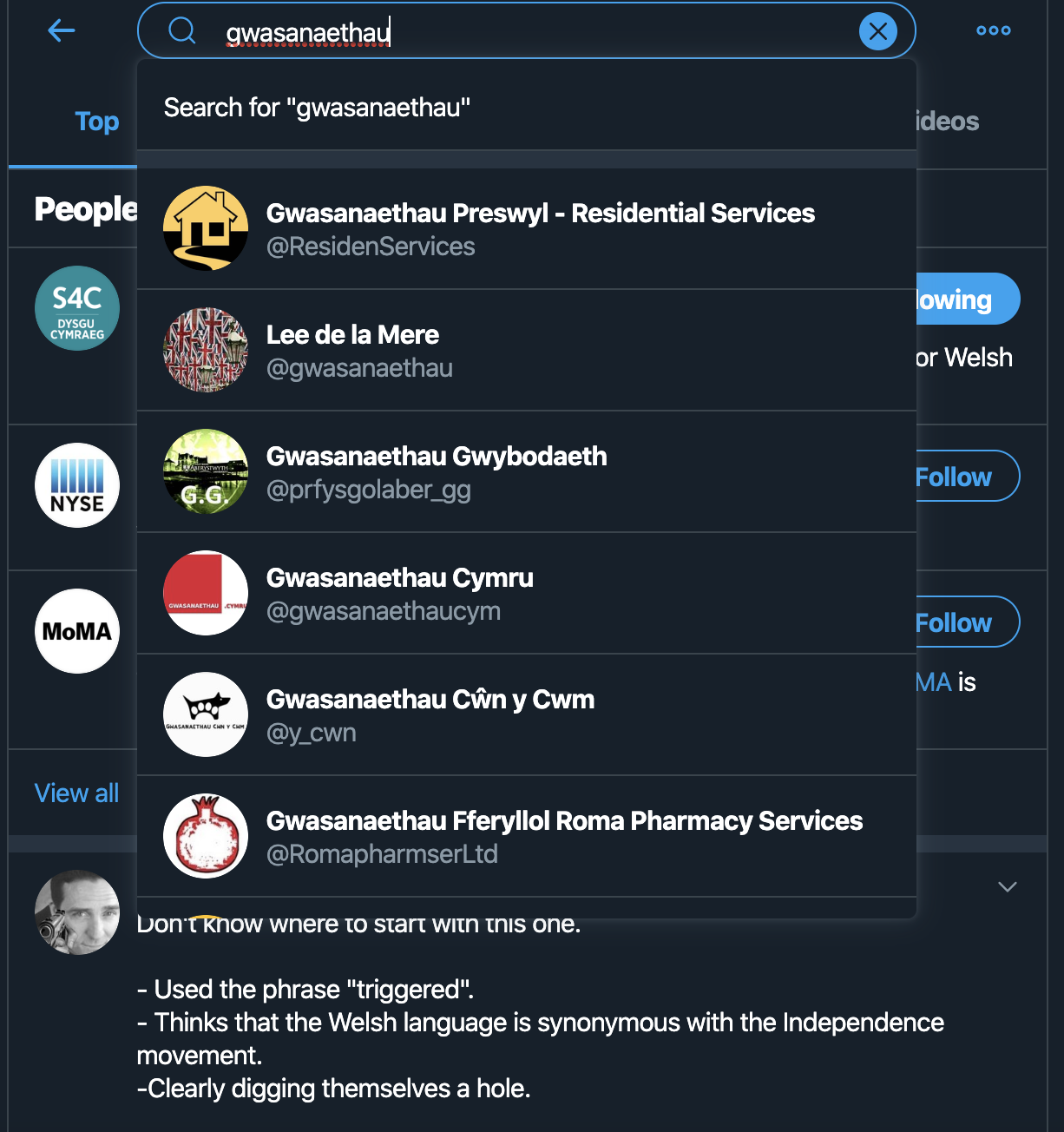
Make sure to apply what you’re learning.
You should always make a conscious effort to use a few new words outside of dedicated study sessions. This might mean actively using new words in conversation, using your vocabulary list to search social media or find new hashtags to follow, or looking for news articles about related topics.
Above all, don’t worry about your level when you’re trying to learn vocab. As long as you’ve got a handle on the basics using new words in sentences and questions, you can learn any vocabulary words you want. After all, you never stop learning new words.


Struggling with listening? Discover realistic tips, challenge prompts, and the best tools for improving your listening skills as a self-guided language learner