

7 Reasons Your Cultural Awareness Matters More Than Perfect Vocabulary
You know about vocabulary lists, flashcards and pronunciation guides, but sometimes there’s more at stake than just knowing the language. In this article, you’ll learn about the hidden ingredient you need for avoiding misunderstandings (even offence!) worldwide.
The following post is written by the lovely Michele from Intrepid Guide, a blog dedicated to language and travel.
How well would you say you speak the foreign language you’re learning? Are you beginner, intermediate or even advanced and near fluency?
Now, I don’t want to bust your bubble, but, you may not be as ‘fluent’ as you think.
While we may learn languages with the goal of being fluent (whatever that means to you) the most important question to ask here is, how culture-savvy are you?
You may understand a foreign language but that doesn’t guarantee that you understand the nuances and the whole range of meaning that native speakers communicate to you.
Communicating in another language requires more than just memorising words and grammar. We have to learn how to communicate beyond words by understanding its culture. Therefore, as we study a language, we must learn it alongside its culture.
Afterall, language is culture!
What is Cultural Awareness?
Cultural awareness understanding that our own culture differs from one individual and group to the next, and specifically from our target language.
Being culturally aware helps us recognise and have an appreciation for other’s values, customs and beliefs and meet it without judgement or prejudice.
As we encounter new languages and cultures we begin to make comparisons and realise that our own behaviours, values and beliefs are not the general norm found elsewhere in the world.

Michele at the Vatican
Why is Cultural Awareness Important?
Cultural awareness is key when we communicate with people from other cultures. Since we use language to communicate, our knowledge of foreign languages gives us ‘access’ to different societies and cultures. We become mediators between cultures.
The most important reason why we should be culturally aware is so we have an increased awareness of people all over the world. This helps us develop a deeper understanding of our own and other people’s cultures, while broadening the mind and increasing tolerance.
Expressing Respect
When we are culturally aware we know what is considered inappropriate or offensive to others. For example, incorrect body language and can lead to misunderstandings. Even something as simple as nodding your head in agreement can be misunderstood in places such as Greece, Bulgaria, and Albania where shaking one's head can actually mean yes.
In Western culture we’re taught that it’s polite to look someone straight in the face when talking to someone, however, in Japan this is considered disrespectful.
Being culturally aware isn’t just for those learning a foreign languages either. As an Australian who swapped her life in Melbourne for a life in Rome and then again for London (where I’m currently based), I learned that even between English speaking countries our cultures can differ and that these differences can surface in unsuspecting ways.
During the past 5 years of living in the UK, I’ve accidentally ruffled a few feathers and learned some important cultural lessons the hard way.
Here are 7 times learning cultural awareness changed my life way more than any vocab table ever could
1. Inviting STRANGERS Round To Yours - Kidnapping Or Hospitality?
Whilst living in Italy, I travelled the country extensively and took many walks and tours with local guides. Each of Italy’s regions has its own personality, unique history, culinary delights and beauty. You can’t just visit Florence or Rome. You have to visit other cities too to really understand Italy.
When I was on one of these local tours in Milan, our guide explained that we shouldn’t be ‘discouraged’ if we encountered a ‘rude’ Milanese. She explained that people from Milan can seem rude or cold at first, but once you make an effort to get to know them they are just as warm and welcoming as we’ve come to know Italians to be.
Compare this with an experience I had at the opposite end of Italy in Sicily. One summer I was in Palermo celebrating a girlfriend’s birthday with 4 other girlfriends. we went to dinner at a popular restaurant frequented only by locals. It’s fair to say we stuck out a sore thumb.
After about 10 minutes at our table, a middle-aged lady from a neighbouring table who was with her family enquired where we were from. Her eyes lit up when we replied in Italian. After no more than 5 minutes of chatting, Maria invited all 5 of use around to her house the next day for coffee and cake! She gave us her number, address and a time. It was all set.
I’d never in my life received such an invitation. After some internal juggling wondering if we were about to experience Liam Neeson’s movie ‘Taken’, we decided to take our chances and go. I’m so glad we did. Maria had very kindly baked two different homemade cakes and even gave us her recipe.
This would whole encounter would never happen in Australia, or the UK for that matter. To this day I still can’t believe it did. It just goes to show that just because you do things one way in your country, doesn’t mean it’s the same everywhere else.
2. American, British, and Australian English: Similar but Different
Even though Australia is a British colony and Australian English is based on British English, we’re not very politically correct with our choice of words. Australians say things that can be considered highly offensive, but we do so without malicious intent.
It's like we’ve used these words so much in everyday speech that they've lost all power and negative connotations that it no longer offends anyone, hopefully.
This was and still is the hardest lesson for me to learn since living in London and something I still struggle with today.
An example of a word that Australians will use without batting an eyelid and which makes up part of many common Australian idioms is the word ‘bloody’. So common is it for us to say ‘bloody’ that it was even part for a A$180 million advertising campaign by Tourism Australia that was banned in the UK for being too offensive. The slogan read “So, where the bloody hell are you?”.
A more extreme example, which I know will probably make you cringe, is the use of the highly offensive c-word. It may surprise you to learn that many Australian males will use this as a sort of term of endearment towards other males. They’ll say things like, “Hey c&!, how are ya?”, or “he’s a good c%!.” The c-word is never directed to females or used by them as it’s still considered an offensive word, but it’s not nearly as taboo as it is in the UK or America.
3. Being 'On Time' Means Being Early, Late, Or Just On Time Depending On Where You Are
Even being punctual can cause misunderstandings. While Germans consider punctuality to be very important, the exact opposite is true in South America where it is considered rude to arrive on time.
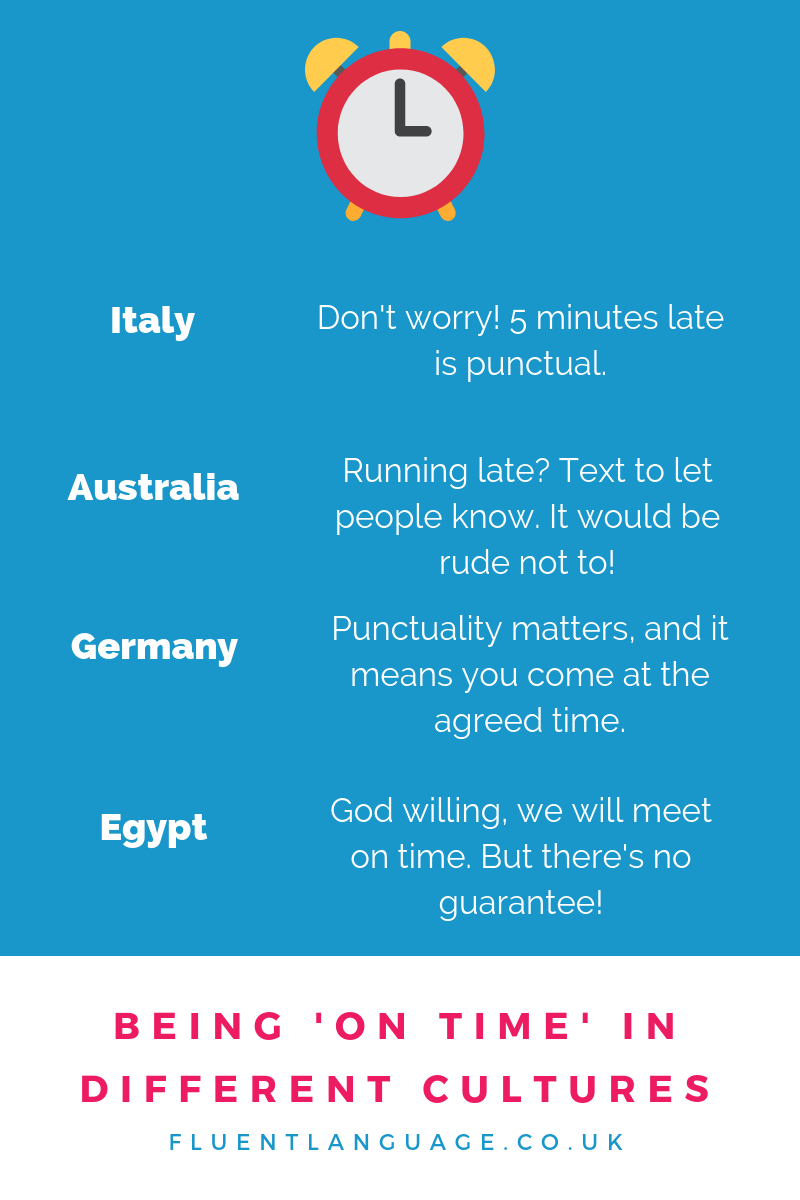
During my early days in Rome, I distinctly remember the first time I was running late to an appointment with my Italian friends. I messaged my friend Marta and apologised for running 5 minutes late. She responded with Ma Michele, sei troppo anglofono. Non ti preoccupare! (Michele, you’re too English, don’t worry!).
When I started learning Arabic leading up to my trip to Egypt, I learned that if you say to someone that you’ll see them tomorrow they might reply with, ‘in sha Allah’ or ‘insha'Allah’ which literally means ‘god willing’. This is often used in response to anything tentative, or when timing is in question.
The phrase expresses the belief that nothing happens unless God wills it ("if God doesn't want me to be on time..." ¯_(ツ)_/¯ ). From this one phrase we can see just how much of an influence religion plays in the Arabic language and in the lives of those who speak it.
A similar phrase is also found in Spanish and Portuguese, ojalá (Spanish) and oxalá (Portuguese). This was adopted into both languages after they came into contact with the Arabic speaking world as far back as the 8th century.
4. Saying 'Thank You' Can Make Your Host Unhappy - Only In Italy?

One year I celebrated Easter with a friend’s family in Naples. They welcomed me and my Dad who was visiting into their home and fussed over us making sure we had everything we needed and making special dishes just for us. They made us feel so special, like we were part of the family. I was so grateful and I wanted to let them to know.
Everytime Carmela, my friend’s mum, would hand me a plate, or do anything, I would say “grazie” (thank you). On the third day, Carmela said something I’ve never forgotten.
“Michele, devi smettere a ringraziarmi, mi fa piacere. Siamo famiglia e non si ringrazia familia. Non mi piace,... ci separa.” (Michele, you have to stop thanking me, it’s my pleasure. We’re family and you don’t thank family. I don’t like it,... it separates us.)
Before that moment, I never thought that thanking someone could offend them but I could understand Carmela’s point. At the same time, it felt foreign to me to not show my appreciation and gratefulness towards her for everything she was doing for us. I felt like I was being rude, but it was what she wanted so I had to fight my instincts so I wouldn’t not offend her again.
5. You Can Scare Italians With An Ill-Timed Party
After organising my birthday party whilst living in Rome, I learned just how superstitious Italians are.
You see, I have the unfortunate pleasure of being born two days after Christmas when most people aren’t around to celebrate with me. This usually means I have organise my birthday celebrations a couple of weeks in advance while everyone is still around.
The first time my birthday rolled around in Rome, I knew I wanted all my friends to be there and that since most of my friends weren’t from Rome and would be heading home for Christmas, no one would be around to celebrate my birthday on the 27th of December.
With that in mind, I booked a venue two weekends prior to my actual birthday and sent out the invites. Within minutes I was inundated with messages “Ma, Michele, non si può festeggiare il compleanno in anticipo, porta sfortuna!” (But, Michele, you can’t celebrate your birthday early, it’s bad luck!).
Up until this point I had never heard of such a thing. Growing up in Australia, it was something I was used to doing otherwise I’d never see my friends for my birthday. I felt that if I celebrated after the fact (which by then would be New Year’s Eve) everyone would be all partied out and celebrating the following year just didn’t feel right.
After explaining that for an Australia it wasn’t bad luck, they tried to understand but it still didn’t sit well with them. On the night of the party they didn’t wish me happy birthday, they insisted on waiting until the my actual birthday to tell me.
6. Gruesome Things Can Happen If You Don't Make A Toast With Caution

The custom of making a toast is universal. That moment when you say Cheers! Prost! Salud! or L’chaim! in celebration of anything from New Year’s Eve to weddings to a night out with friends.
This seemingly simple and harmless practice comes with disclaimers in some culture who have their own twists on this tradition.
In Spain, for example, making a toast with water or any non-alcoholic drink is considered bad luck resulting in ‘seven years of bad sex.’
Those in France or Germany believe the same to be true it you don’t make and hold eye contact whilst making a toast.
Living in Italy, I learned that Italians take things a step further. Aside from not being able to toast with water, and making sure you maintain eye contact, you also can’t toast with a plastic cup and you have to touch a table or ledge with the bottom of your drink after clinking glasses with everyone.
Interestingly, this superstition comes from the Ancient Greeks who, according to Greek mythology, would toast to the dead with glasses of water to symbolise their voyage, via the River Lethe, to the Underworld.
Who knew making a toast could be so complicated?
7. La Dolce Vita, Let It Change Your Outlook On The Working World
When I moved to Italy, I left behind a pretty intense job where I worked crazy hours, sometimes working til 1 or 2 am. In places like Australia, the UK and America, you’re rewarded for working overtime which usually comes in the form of a pay rise or promotion, where funnily enough you’re given even more work to do!
Living in Rome made me realise how flawed this whole concept was of working hard and sacrificing time with friends and family for the sake of climbing the corporate ladder. I quickly learned that Romans value time with their family and friends so much that they don’t have this poisonous desire to work overtime just to get ahead. Quite often, I would go out with friends til 1, 2 sometimes 3 am on a “school night”. We weren’t getting drunk, were were just socialising and just hanging out.
I never did this in Australia, but in Rome I was living La Dolce Vita or the Sweet Life. I replaced my work addiction with friendships and I began to value my relationships over work. I enjoyed life to the fullest with the people who matter and sometimes that meant staying out until the wee hours of the night.
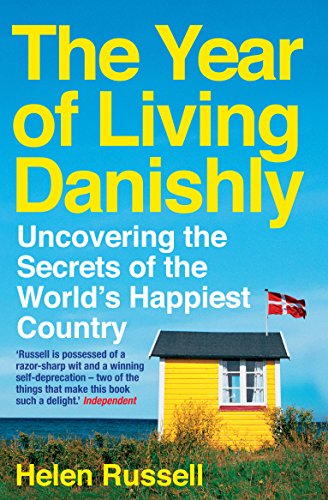
La Dolce Vita isn’t just for Italians though, the Danes have their own version of this too. Unless you’ve been living under a rock, the Danish word hygge (pronounced hue-guh) has gained worldwide popularity. Hygge describes the feeling you get, either alone or with friends, where you feel cosy and have warm feelings of togetherness, contentedness and enjoying the simple things in life.
The Danes also don’t believe in overtime. Helen Russells explains in her book, a The Year of Living Danishly, that working overtime is not only frowned upon by your peers but you’re considered as being inefficient!
In Conclusion
Being knowledgeable in foreign languages shows native speakers that you respect their ideas and their way of living. This is why I encourage travellers to learn some of the local language before their travels and I’ve created a collection of free travel phrase guides to help my readers do that. Knowing even a just a little bit of the language can help offset cultural shock and open you up to new experiences in a destination.
Cultural awareness extends into your everyday life, not just while travelling. Think about how valuable this skill can be (and it is a skill) to the development and advancement of your career. Being able to communicate with global communities is invaluable to a business when they scout new talent.
Being able to communicate effectively has a lot to do with context and culture. Therefore, understanding cultural implications is just as important as learning correct grammar, vocabulary and pronunciation. Neglecting this part of the learning process can lead to unnecessary misunderstandings or miscommunications.
When Have You Learnt More Than Just Language?
What moments of cultural awareness have you encountered? Ever you offended someone or embarrassed yourself like me? I'd love to hear from you - share your story in the comments below.
About Michele
Michele from The Intrepid Guide is a language and travel blogger and author of Learn Italian FAST. Originally from Australia, Michele moved to Rome in pursuit of improving her Italian. Currently based in London, she lives by the motto “The more we travel, the more we learn.”
With her blog, Michele shares her passion for bringing language and travel closer together with detailed destinations guides, and free travel phrase guides, and more! You can follow her on social media as she shares fascinating and little-known linguistic and cultural facts.
#clearthelist November 2018: How To Stay Consistent (Or: The Goals I Missed)
Welcome to my latest language learning update through #clearthelist, which is a language learning round-up sharing monthly language learning goals, support, and accountability.
This month: Travel, Polyglot Conference, some missed goals, and new energy for November
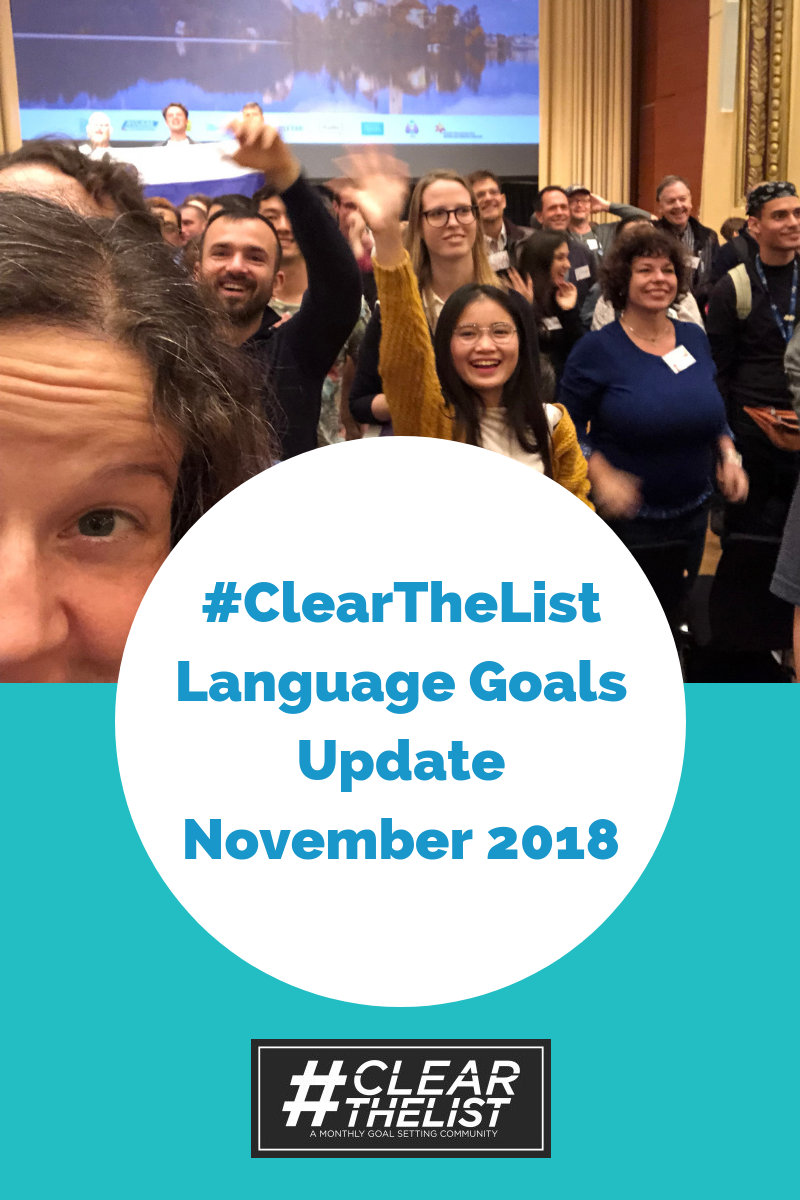
Welcome to my latest language learning update through #clearthelist, which is a language learning round-up sharing monthly language learning goals, support, and accountability.
What Happened In October?
I feel like October began and then I went travelling and got home and then it was over. In our personal life, big things were afoot as we started the process of buying a flat here in Canterbury. Cue lots of new levels of bureaucracy, which I never knew the game of life could offer.
The month also saw a new speech I made at Toastmasters, this one probably my favourite so far as I spoke about feminism and the Women’s Equality Party, a cause well worth your attention.
Travel in October
Halfway through the month, I set off on a language trip with podcast co-host Lindsay to Croatia and Slovenia. I admit I didn’t study much Croatian before setting off to this beautiful country, mostly because I was relying on the linguistic guidance of lovely Shannon Kennedy (from eurolinguiste), who sadly had to drop out at the last minute.
Croatia’s most exciting language discovery was to spend a few hours in the mental Froggyland museum with Lindsay and trying to work out as many Croatian words as possible from the captions and their English translations. It worked surprisingly well, and later at the Polyglot Conference I learnt that this is an official teaching method called the Discovery Method. Not sure if it always has to involve frogs.
Polyglot Conference

Presenting at the Polyglot Conference
Our travels led us to Ljubljana in Slovenia in time for the Polyglot Conference! Overall, what a fantastic event. I presented a talk on the seven questions you need to answer to learn a language solo, which was my first live workshop on the topic, during the Friday Language Learning Event. The line-up was excellent, with fellow presenters including Olly Richards, Gareth Popkins, Judith Meyer, Katie Harris, Lindsay Williams and Tim Keeley.
I also saw some great talks at the main conference, including Angelo DeLeo re-visiting the Sapir-Whorf hypothesis in a talk on Linguistic Anthropology. So interesting!
Sadly I missed a large part of the conference as I got pretty sick, but I was well taken care of by many language friends. Thank you all!
The Fluent Show
My favourite episode of the month has got to be the conversation with Kathryn and Sam about how to start an amazing language journal. The podcast episode was combined with a gallery of inspiring shots from language journal keepers everywhere, and I loved the variety and creativity.
Language Goals and Progress
Let’s have a look how October went in terms of my language goals. I had hoped to focus mostly on Welsh, though I knew it’d be a busy one.
Listening
The goal was to switch the TV or radio on in Welsh 2-3 times per week, and somehow I just got too busy and overwhelmed and completely forgot about this. I will be back on this one as soon as I’m feeling well!
The trick with TV is always to find one TV show with a narrative that I want to follow, either a reality programme or a drama. In the goals section below, I’ll choose and commit to one.
Reading
Not a bad month! During my trip I worked my way through about 5 chapters of this book, and I’ll be able to finish it as soon as I find where I’ve put the damn thing when unpacking.
Speaking
I did okay here on the Say Something in Welsh goal, as I completed level 20. It’s not up to 22 as I’d aimed for, but 20 was a long one and taught me several new things. I also got to chat to several Welsh speakers at the Polyglot Conference, though sadly no fully Welsh speaking “paneds.” ☕️
Say Something in Welsh continues to be a great resource when my friends are busy.
Writing
My goal was to write at least one instagram caption in Welsh every week, and I did post 3 out of 4 (I’ll add another one today).
In addition, Lindsay’s idea of writing prompts helped me fill a few more half pages. I’ve even found writing prompts inside of the Duolingo app - finally something I like it for!
Monthly Contact Goal
Every month, I log my “daily contact” with the Welsh language. And October was not impressive, with just 13 days out of 31 logged. As always, this depends on me remembering to tick a box, so it’s not a 100% accurate number. On most of those contact days, I did spend a good 15+ minutes, so there’s that for a sunny side.
Other Languages
I’m slowly reducing my fear and getting a tiny sense of the words in Chinese, though I am far from spending 10 minutes every day. Overall, I spent about 60 minutes on Chinese this month. I watched an Easy Languages Chinese video which was excellent, taught me a word, and kept me interested.
In addition used the apps Lingodeer,Drops, and the book Chinese in 10 Minutes a Day.
Goals For November 2018
I’m pleased to say that November is not much of a travel month, so I can actually get a little bit of a routine going! Fantastic stuff. For the rest of this year, I’m excited to prepare for the Fluent German Retreat in Trier, and start work on my next secret project.
I am planning my goals using the Language Habit Toolkit, my collection of handy self-coaching materials for solo language learners.
Listening
As I mentioned above, the trick with TV is always to find one TV show to get into. Last week I checked into the S4C app and saw that the Welsh political drama Byw Cerlwydd is back for a 3rd season. Fantastic! For this month, my listening goal is focused on catching up with this show. That should give me over 5 hours of exposure.
Reading
If I write the name Sgwp here again, will you be cross? NO! I am getting better and better at reading in Welsh with the help of this book and there are just under 100 pages to go, so this month’s goal can be really specific: Get to page 150 of Sgwp!
Speaking
Apart from the Polyglot Conference, last month was a quiet one. So this month, I’m not sure how I’ll do with time but I am making it my goal to book 2 italki lessons and 2 language exchanges, one every week at least.
I am tempted to add a stretch goal as I’m super impressed with a coaching client who recently took the italki Challenge, and will return to italki this month to find a new tutor to chat with.
Writing
After the Top Tools episode and the language journal episode of the Fluent Show in October, how could I not be excited about language journaling! I’ve been diligently writing, but this month my goal is to put pen to paper and write in my Welsh journal 3x a month.
Other Languages
I’ll keep up the Chinese dabbling and aim for at least 6x10 minutes during the month. That’s a whole hour, after all, and often a goal of “10 minutes” turns into 20 before you know it.
How Was Your Month?
So that’s it for this month’s goals! Be sure to check out the linkup for #clearthelist, hosted by Lindsay Williams and Shannon Kennedy.
Are you setting goals, too? How do you feel about your target language and its usefulness?
Leave a comment below to tell me all about it!

9 Unexpected Places To Find Real-Life Language Partners
How cool would it be if you could find real life language lovers to meet up with, learn languages together, perhaps even go to class or see a show in another language? Heck yes!
In this article, get few practical tips to help you reach out and connect with your new language squad IRL.

When you’re a solo learner, the internet plays a huge role in your language learning routine. You use online resources like YouTube, courses and apps. You find cool people who share the love of language on polyglot forums, Facebook Groups and Instagram.
But how cool would it be if you could add a few real life language lovers to your squad of #polyglots? You could meet up and encourage each other, share the latest tips, cook a meal or go for a multilingual walk. Honestly, how do any of us live without wanting such delights!
You may be reading this thinking there’s no way you can find another person in your area who is learning the same language as you.
But are you really the only linguist in the village?
Here are some ideas for finding people off-screen who share your passion for learning languages.
Who To Look Out For
Before you bound out into your street armed with a dictionary and the latest edition of El Mundo expecting to bump into your new Spanish exchange partner, you need to make a profile of all the kinds of people you’d love to hang out with.
Your online network can give you hints of the kind of people you like to find. If you bloom in language exchanges, look for similar arrangements offline. If you love to read or watch the story of other language obsessives, add them to your circle. And if you follow 200 linguists on twitter, that’s another great hint for who you’d blissfully share a coffee with.
Looking at all that, it’s clear that casting a broad net will pay off. Stay open to all of people who are on a similar path to yourself, and don’t underestimate the power of a network.
I was always going to mention the dating analogy (just like we did in this podcast about having the best ever language exchange), and it’s a helpful one to consider. So here goes: Don’t look for the future life partner, and you’ll be most likely to bump into them.
Start By Asking Around
The first step is to start by mentioning your language love wherever possible, to more people than you think will want to hear it. It’s like the first rule of advertising: make sure people know what’s up!
In small talk, try to weave in that you are learning your language. If they are interested, you can mention you’d love to have a chat partner or you’ve been wondering if other people might be interested. You never know, their network might turn something up.
A Few Places To Start
Now that you are ready to embrace the many different ways a language lover may pop up in your life, here are a few places to start looking.
Meet-up Groups
Finding a local meet-up group is relatively easy, funnily enough because many groups are listed online. Here are 3 sites to check out:
Meetup.com
The classic website for local meet-ups, where you can join a few groups and start going to meetings.
Eventbrite
Eventbrite is known as a ticketing website, but browse around your local area and you might well discover a lot more, like business networking and free lectures.
This social media giant is a big player when it comes to finding local groups. Use the search bar or browse around its recommendations. I’d recommend starting your search with the local events, and checking out which groups organise them.
Local Events
Events include talks, festivals, open lectures, trade fairs, and conferences. Choose to go to something new and look out for cultural or internationally themed events.
Here are a few examples:
- Cultural celebrations like the Chinese New Year
- Travel talks about a specific part of the world
- Food festivals where you’ll find lots of international cuisines
- Language Days or Cafés like this one
- Political demonstrations and debates
- Taster lectures for starters of other languages (if you’re tempted, your kinda people will be too!)
If you live near a university, look out for the many different events organised by international and country-specific societies. And if you are religious, look out for friendly faces in your local church.
Anywhere people gather can be the place you meet your language buddy.
To Find Speakers Of Your Target Language:
Ask yourself where your target language speakers might want to go if they’re staying in your area for a while. International students may look for churches or business lectures, or a Latin American expat might attend local Salsa nights. The French speakers may come to Pilates classes, but probably won’t be found at a French learner’s event.
Have you made a language learning friend away from the online world?
How did you guys meet
Share your thoughts and stories in the comments below!

#clearthelist October 2018: Language Hunt In The Brecon Beacons
Catch up with my monthly language learning progress for intermediate Welsh and a few other languages and projects, plus September’s top Fluent Show episode

It’s time again for my language learning update with #clearthelist, the monthly language learning round-up sharing language learning goals, support, and accountability.
What Happened In September?
After all the summer’s travels, it was nice to spend a consistent bunch of weeks at home. I got back into my usual language routine — only to the extent that that routine actually exists! I’m not a “1 hour at this time every day” kind of person. In fact that kind of schedule would drive me crazy, so instead I focused on the goals for the month and making sure I maintain that daily contact level.
All in all, a good month for language! Plus, I’ve now started meeting on a weekly basis with Lindsay and Shannon again because we’re putting on a Women in Language sister event in November. Make sure you’re on the Women in Language list to stay up to date!
In other activities, the month was full up with promo, planning and bookings for the next Fluent German Retreat, which will be Christmas themed in December. I. Cannot. WAIT!!!
Travel in Wales: Is Welsh Useless After All?
At the end of the month, my husband and I spend a week travelling in Wales. It was lovely, we visited the Brecon Beacons, I swam in a lake, we walked in stupendous landscapes. By all measures, this trip was a success.
Except…I hardly spoke the language! You may have read how much I spoke in just 3 days at my last Welsh visit, the Eisteddfod in Cardiff., and wonder how come I didn’t get as much practice in this time?
In truth, I couldn’t find anyone who spoke Welsh. You may have heard before how the Welsh language was pushed out by English over the last 100-200 years. In the Brecon Beacons, this is super evident. Lots of people told me about parents and grandparents who “got beaten up in school for speaking Welsh, so they stopped”.
Make of that what you will. I think it’s not funny.
Where I grew up in Germany-near-Luxembourg, it was common to head to another country and for the border region folks to be bilingual. Yes, even in a tiny language like Luxembourgish. No one EVER would call Luxembourgish useless. Yet here in the UK, people do it to the Welsh (and probably the other UK languages) all of the damn time. Why would you have this presumption that a language is “useless”?
Anyway!! Do you have thoughts about this? Share them in the comments below, or come to the Polyglot Conference, buy me a drink and let’s put the world to rights.
The Fluent Show
The Fluent Show celebrated European Day of Languages (26 September) in style this year, with a HUGE 20 language quiz edition hosted by me and Lindsay. We quizzed each other and you lot. I’ve yet to find anyone who recognised all 20 languages. Could it be you?
Listen Here To Take Our 20 European Languages Quiz
Language Goals and Progress
Let’s have a look how September went in terms of language goals. I’ve got a feeling about this one!
Listening
The goal was to switch the radio on in Welsh 2-3 times per week. I managed this in week 1 (starter’s enthusiasm) and in week 4 (the car radio had Radio Cymru). In between, I did watch a few shows on S4C including coverage of Ironman Wales. I’d say 8 out of 10 for this goal.
Reading
Sgwp, Sgwp, Sgwp. It’s the book that keeps on giving. I’ve not set up a pretty good routine of reading the chapter, highlighting vocab, looking it up and putting it into my notebook, and reviewing previous words while I’m there.
I got through more chapters in September, but feel like more reading in Welsh is necessary.
Speaking
Speaking was pretty great! I had two meetings with Nicky and arranged to meet my friends Dafydd and Gavin while I was in Cardiff on the Wales trip.
I also set the goal to get through Say Something in Welsh 2 up to level 18, and in fact I’ve just finished level 19. Da iawn!
Writing

Well…I did download the exam papers. But then I didn’t look at them in detail. In fact, I totally forgot about this goal so it’s time I got back to it.
Through instant messaging in Welsh, I’m noticing that slowly I’m better able to translate “what I want to say in my head” into Welsh language without hesitation. Writing is always a slower skill for me, because speaking comes naturally with my extrovert/gregarious personality.
But as my tax advisor said…”you can’t hand wave through everything”.
Monthly Contact Goal
September looks pretty good, with 22 days out of 30 checked on the “daily contact with Welsh log”. Even when I didn’t speak Welsh to people on my trip, it was contact every day through bilingual signage and Radio Cymru in the rental car.
Other Languages
There’s always a chance for other languages to sneak in, and I did a tiny bit of playtime on the [Drops app] in Chinese and watched some Netflix with French subtitles.
Goals For October 2018
In October, I’m planning a trip to Croatia and a talk at the Polyglot Conference in Ljubljana, so it’s a busy one. Are you coming?
In October, I want to keep up the current Welsh level and play with a few other languages such as Chinese. I’m hoping to spend a good amount of time with Lindsay and Shannon, so maybe I can annoy them with my practice of tones.
Listening
At this stage, I feel it’s important for me to get lots more realistic spoken Welsh input so it’s definitely key to keep that TV or radio habit up. The goal’s 2-3 times a week, as before.
Reading

It’s not a particularly inspired goal, but I will continue to make progress with Sgwp and have a book of short stories lined up for afterwards. Reading is such a great way for me to grow my vocabulary. At this stage it’s more helpful for new words than online lessons!
Taking into account the big amount of travel I’ve got coming up, my goal is 5 chapters of Sgwp.
I want to dedicate the rest of the time to picking up the good old Chinese in 10 Minutes a Day again. Perhaps I should actually spend 10 minutes a day on it and then I’ll learn way more Chinese!!
Speaking
I will continue to book in an hour or so every week for a virtual paned a sgwrs (cuppa and a chat) in Welsh when my friends can spare the time. I am also craving contact with more speakers, so am considering putting together a Meet-Up Cymraeg here in Canterbury in the next month.
I'm also very pleased to be back on the Ceffyl (horse) with Say Something in Welsh, so my aim is to complete challenges 20-22 in level 2.
If you want to start learning Welsh yourself, download my free Teach Yourself Welsh toolkit here.
Writing
Tricky! I do want to work on that exam paper, but this month I don’t feel ready. I’ll set a different goal and park this one. My goal is to post a Welsh language caption on Instagram at least once a week.
How Was Your Month?
So that’s it for this month’s goals! Be sure to check out the linkup for #clearthelist, hosted by Lindsay Williams and Shannon Kennedy.
By the way, if you want to hear more about what you can do when you’ve failed to meet a goal, check out September’s Fluent Show episode about goals with tips from me and Lindsay.
Are you setting goals, too? How do you feel about your target language and its usefulness?
Leave a comment below to tell me all about it!

What To Do When Duolingo Gets Boring
After 3 months of learning Spanish with Duolingo, Luka has had enough and wrote to me asking how to move forward. Listen to my response in this episode of the Fluent Show.

Every other week on the Fluent Show, I put aside a little time to answer your listener questions. Email your question to me at kerstin@fluentlanguage.co.uk or tweet it to @thefluentshow
Luka asks:
I have been learning Spanish for 3 months. I started learning with Duolingo and was really into it, and recently I have been using a textbook as well but have become really demotivated - not because I give up, because I am bored of duo lingo. I’m tired of the way it’s trying to teach me and I don’t feel like I’m progressing. [..]
My question is, if I’m not using duo lingo, what can I actually do to learn Spanish? I’ve looked everywhere and all the websites have a lot of ‘tips’ but not an actual guide saying things like resources to use etc.
Does that sound familiar?
Listen to my answer and the best tips on how to learn a language here:
How To Refresh Your Duolingo Experience
Duolingo is a small app with a big promise, and largely it keeps its promise because it’s a game and it does correct you right in the lesson. Duolingo is nice enough, but it can become a monotonous experience and it sounds like you’re hitting a wall
Tips for dealing with Duolingo boredom - in Duolingo!
Get on the web version so you can read explanations (more about this here)
Restrict yourself to a few minutes a day - how about Duolingo while waiting for your kettle to boil or your bus to arrive?
Try out one of the in-app clubs so you can compete with your friends and compare progress.
Duolingo is great, but…in all these scenarios, you’re still reacting to a screen and you maintain your sense that you don’t have a plan. So let’s address the other issue: Motivation!
How To Refresh Your Whole Language Learning Experience
Most projects, be they language learning or dieting or a new job, start with enthusiasm and optimism. You have reasons why you’re doing this.
But that initial motivation, that burst, does not last. Motivation is cyclical: It leads to an experience of success, and then that boosts you on to work through a boring period, and then you have another success experience. So in a way, you’re not having that experience of success.
How To Create A Sense Of Progress And Success
In order to feel successful in a predictable, sustainable way, you need to learn how to set good goals for yourself. Your success must be more than a vague sense of progress, it has to be “I achieved what I set out to do".
Your practical goals - I call them Path Goals - need to be SMART: Specific, Measurable, Achievable, Relevant/Realistic…and whatever people say the T stands for. I go with Time-Bound.
I also advise learners to work with the 4 core skills listening, speaking, reading and writing.
Your start is to set yourself goals, think about where you want to be and what that looks like. Get specific! And then ask “what do I need to do to get there?"
Your goals can totally include Duolingo and your text book, but I would advise you to start where you are. Right now where you are is bored with no sense of progress. So your goal has to be:
Excited about Spanish learning
Feeling like I’m getting somewhere
So what will help you answer those two questions? That’s the interesting bit.
Example: Learning Spanish For Travel

In a coaching session, this is what we’d explore. What are you into? What is interesting you about Spanish?
Let’s say you’re dreaming of walking the Camino de Santiago in Northern Spain. So you’re interested in travel, you dream of speaking Spanish to the locals there, to have the right words to talk about your religion and spirituality, and to feel confident sorting your own food and accommodation.
That’s your Vision goal - the big, inspiring thing you dream of.
To get a sense of your Path Goal, ask yourself how much time you have and what you want to tackle first. Let’s say it’s ordering food and learning about Northern Spanish food.
Your 3 month goals could be
to cook a meal for yourself
to role play a restaurant scenario with a tutor
to know 50 words for food items
to study a restaurant menu
to listen to 10 podcasts so you can understand the words
to pronounce every place name on the Camino.
These are specific goals. They’re way less boring than doing Duolingo forever in the hope you’ll finish a skill tree, because they are YOURS.
No app or textbook is leading you now because your routine is becoming personal. The next question? What do I need to get there? Duolingo becomes a part of the journey, rather than your leader.
No, a short-term goal approach won’t teach you all of Spanish instantly. But that’s because that doesn’t exist. Language is a long-term game.
Yes, you will have to think differently. But this is how to fire up your motivation and keep going.
The Language Habit Toolkit
If you want to learn more about this, the Language Habit Toolkit is designed to help you set up exactly this way of thinking and create a solid language learning routine.
There’s even a Resource Manager worksheet included, in which I’ve listed exactly what you need to set up a good and supportive set of resources. Duolingo is a good start, but I’d advise you add an input resource and a set of reference material.
A few final tips:
Practice with people, either native speakers or at least by finding like-minded folks. Feeling like you’re on your own with this makes motivation harder to maintain. Come and join our Facebook group for check-ins every Saturday.
I actually spoke to you Luka and you mentioned you’ve listened to Spanish music. That’s so awesome! Always look for interesting input from real life like stories, music, conversations. Lyrics are great for interest.
Always consider how far you’ve come - being aware of your progress from a few months ago is an instant cure for feeling like you’re getting nowhere.
For Spanish Learners
You can find my curated list of resources and articles for Spanish learners at www.fluentlanguage.co.uk/for-spanish-learners.
The Fluent Show is supported by LiveLingua, where you can have your first Spanish lesson entirely for free. I tried it out, and spoke Spanish for a whole hour. And they have many other languages available like German, French and Russian. Get your free lesson by clicking here.




Struggling with listening? Discover realistic tips, challenge prompts, and the best tools for improving your listening skills as a self-guided language learner