

5 Creative Ideas for Boosting Results and Adding Fun in Your Online Language Lessons
Language tutors are a favourite resource in any successful learner’s arsenal. But it’s not always easy to stay excited about your language lessons, and to turn up regularly…If there’s no creativity in online lessons, no one gets to have the results or the fun that they should have.
No problem! Check out the following 5 ideas for lessons in any language, and you’ll be on to a winner!
One-to-one language lessons are a favourite resource in any successful learner’s arsenal, and most smart learners have long discovered that they can easily meet tutors online (check out italki if you haven't tried it yet).
But for many learners and tutors, it’s not always easy to stay excited about lessons...
…if all you ever do is talk about last week, language lessons quickly get boring
…if you don’t feel like you’re spending your money on a good tutor, you might give up
And teachers, beware: If there’s no creativity in online lessons, no one gets to have the results or the fun that they should have.
Be sure to check out my blog post on 13 essential online language teaching tools that will help elevate your lessons and make them more fun and engaging!
So what can you do to make sure you’re on to a winner?

In today’s blog post, we will talk about 5 online language lesson ideas that you can use no matter if you’re a learner or a teacher. As long as you are hanging out with someone to practice your target language, these ideas will really kick you into gear.
Ready? Then let’s discover how to improve your language lessons right now.
1) Create a Study Plan Together
If you are in the market and looking for a new tutor right now, chances are you’ll want to know what you’re getting for your money. And if you’re a tutor taking on a new student, you’re keen to reassure them that they’ve made an awesome choice.
You simply get together and talk about where you want to be and what your language goals are for the next weeks and months (Create Vision and Path Goals from the Language Habit System® ), and it’s the tutor’s job to help break down these goals and outline which resources you will be using.
Lesson planning takes 30-60 minutes, and I definitely recommend doing this activity together as a solid start to your student-tutor partnership.
2) Boost Your Listening Skills on Togethertube
One of the biggest risks of relying on a single person to be your regular language practice partner is over-reliance on their accent and voice. You may find that weekly conversations get easier, but it takes a multitude of voices for you to understand language at native speed.
I recommend watching online videos together using Togethertube. You can easily control the player, stop the video and discuss what’s going to happen next.
I was super excited about this tip because I had no idea Togethertube existed, and especially because it plays Dailymotion videos…and Dailymotion is the home of Deutsch Plus, my favourite cheesy 90s German learner soap.
3) Let the Student Correct the Language Tutor
You’re probably used to being corrected all the time by your tutor, so how cool would it be to turn that around? The next online language lesson idea is for teachers to finally allow learners to correct them! The tutor prepares a text containing mistakes like wrong words, grammar errors, or a punctuation mistake. The student’s job is finding and correcting each mistake.
I’ve used this idea in my own lessons. It works with groups and individuals, and the challenge always helps to create a productive and focused lesson. After all, who can resist showing off their knowledge?
If you want more fun ways to engage students, check out my blog post on language learning games that you can easily incorporate into your lessons.
4) Tired of Talking About Your Day in Language Lessons?
Nothing can kill a good language lesson quicker than running out of things to talk about. You’re likely working with a tutor to improve your speaking skill, and if you’re nervous about starting to talk the following tip is guaranteed to help you loosen up.
Select a range of pictures that inspire conversation (you can find great pictures on Unsplash or Pixabay). You can ask your tutor to select them with you, or to surprise you with something really weird. It’s the student’s job to describe what’s happening, what might be shown in the photo, and what the people in the picture might be saying.
Take it to the next level with AI
In AI Language Club, we have created a library of easy ideas for spicing up your studies with AI tools. One of our most popular ideas is creating an image with AI. You can do this in tools like ChatGPT, Dall-E, and Copilot, and in a language lesson it’s fun to come up with multilingual descriptions and ideas.
5) Write a TripAdvisor Review
Everyone loves creating reviews, and especially getting to share their travel experiences, so this is perfect. In Lindsay’s book, she gives 3 great scenarios and ideas that tutors can use to write those ideas with you right now. For example, why not go all out and describe your dream trip, somewhere you’ve always wanted to stay, and write about the hotel from heaven?
This activity is awesome because it encourages writing, but it’s so easy to combine it with reading real trip reviews online and even watching hotel promo clips. I love this so much, and I know my students are into travel and have a lot to share…can’t wait to read their holiday experiences!
Frequently Asked Questions
How to Teach Languages Online?
To explore my full guide to becoming a language tutor working from anywhere, check out this course: Live Lessons Strategies for Online Teachers and Tutors for practical tips and resources.
When it comes to online language teaching, setting yourself up for success starts with a few key principles:
Understand Your Audience: Identify who your students are and what their goals are. Tailoring your lessons to their needs will make your teaching more effective.
Set Clear Objectives: Define what you want your students to achieve by the end of each lesson. Clear goals help keep both you and your students focused.
Choose the Right Platform: There are many platforms available for online teaching, such as Zoom, Google Meet, or specialized language teaching platforms like Languatalk and italki. Choose one that suits your teaching style and technical needs.
Can You Teach Yourself a Language Online?
To successfully teach yourself a language online, start by setting clear goals and defining what you want to achieve with realistic milestones. Another crucial part of learning a language by yourself is expanding your vocabulary. You can incorporate effective techniques for memorizing and using new words to boost your fluency by checking our blog post on the best vocabulary learning techniques.
Consistency is key, so aim to practice regularly even if it’s just for a few minutes each day!
Need Support On Your Language Learning Journey?
Don’t miss out on the Fluent Language newsletter! Sign up today and get weekly language learning advice from me.

On The Need For Fun And Creativity In Languages

What do you think of when you see the word “creativity”?
For me, creativity used to mean being particularly gifted in visual arts. Painters and sculptors were creative. In school, it was clear that being creative was how you got good grades in art classes.
I was a pretty terrible artist, and so I always assumed that I’m not creative at all.
But then I got a job and started noticing things. In work meetings, ideas for alternative solutions to problems would bubble out of me. When I started teaching and learning languages on my own, I felt constrained by the ideas of learning with a textbook and classroom structure.
Instead of putting off my ideas as delusions, I started to listen to them and put a few into action. And slowly I realised…I’m creative after all!
You Have The Tools to Be a Creative Language Learner
My own discovery encouraged me to start looking differently at language learning. I quickly discovered that adults learn best when creativity and fun come along for the ride. So I started to seek out creative ideas of learning.
If you are a first-time solo language learner who’s busy in her life and wants to know how to become fluent without sacrificing all your leisure time, creativity is what will get you to your goals.
I know lots of people who start off and and think “learning is the books and the app”, and when you box your language learning in like that, your motivation suffers as a result.
Creative Ideas For Language Learning
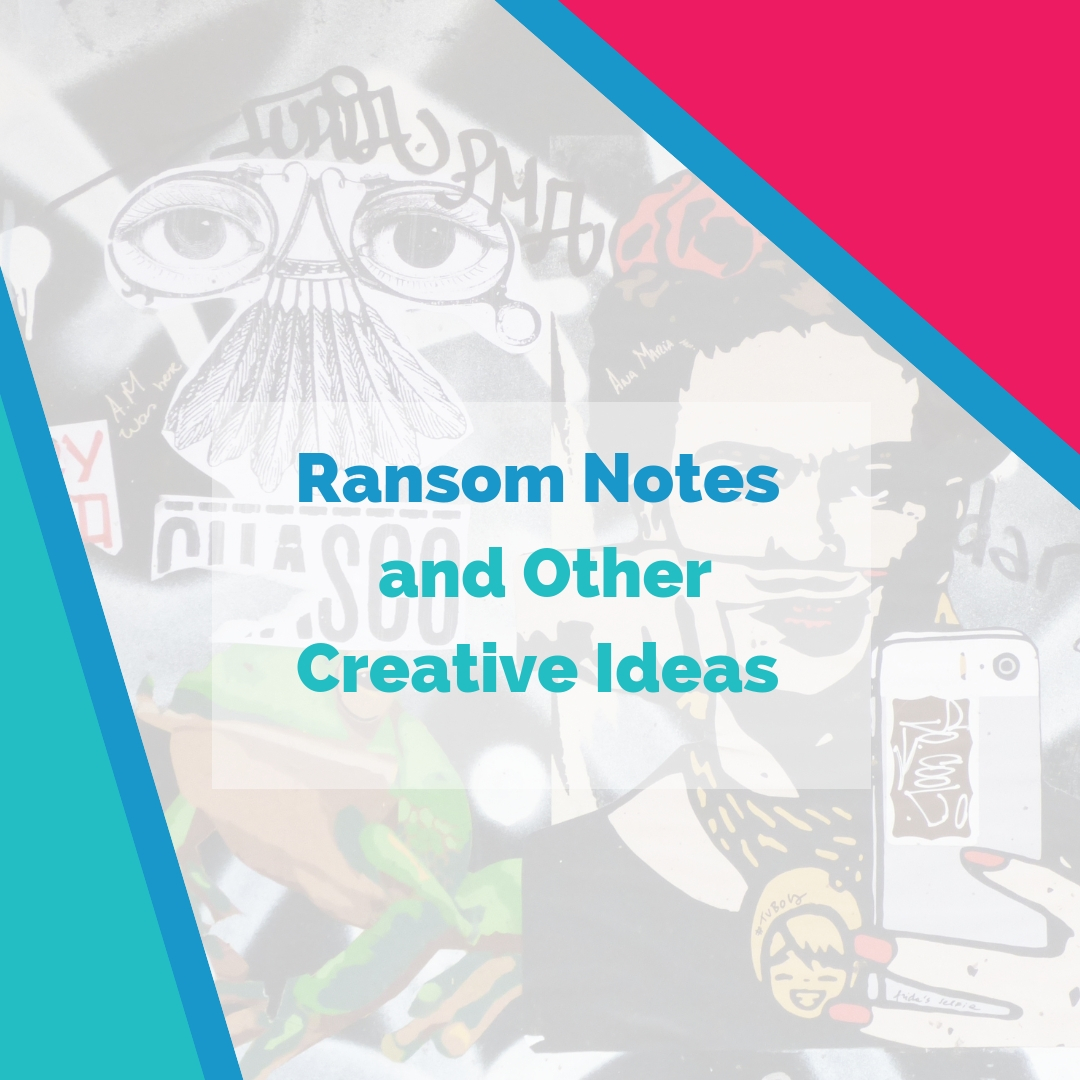
In this episode of the Fluent Show, Lindsay and I discussed the easiest ways to start building a fun and creative language routine.
Listen to the show here to get our full discussion:
Warning: These may not feel like study, but you’ll learn a lot anyway.
Language Learning With Music
Research and discover songs in your target language and music from the target country. Learn new words and expressions by understanding the lyrics of the songs you listen to.
Playing Games
It’s a common theme on this blog: We learn best when we’re having fun. Playing word games like Taboo, or even classic board games in your target language gives you a subtle way of creating a space where you learn a few new words free from pressure.
When you’re on your own, video games create another interesting option for language learning, and some of them are even [developed with language learners in mind.]
Games are especially handy when you want to share your language with kids.
Poetry and Literature
You might think you have to be an advanced level language wizard before you can even touch a book of poems in your target language, but that is not true! Enjoy a story with tools like [Interlinear books], try your first ever haiku, or lose yourself in a rhyming dictionary.
The key here is to express yourself freely and have fun in the process, getting out of your head and into the feeling that you want to have.
Technology
It’s the 21st century, which means you’re more likely to be reading this on a phone than on a desktop computer right now. And that means it’s time to get creative with tech in your new language.
Lindsay recommends creating a language space in social media that’s dedicated to learning your target language, for example a “Norwegian only Instagram”. I’ve tried this too through Twitter lists. The result is fabulous: it’s instant mini lessons, whenever and wherever you want them.
Exercise
Movement boosts memory! Have you ever thought about combining a language workout with a body workout? We had lots of ideas in the podcast, like example looking for exercise videos in your target language, and taking a language podcast out on a jog.
This one’s great for teachers of any age group, too, as you can create a whole new lesson plan when you think about different ways of moving around your classroom (or outside!).
Bricolage / Crafts
For thousands of people, getting creative means creating cool craft projects like woodwork, scrapbooks, or small art. With craft projects, you have so many options of incorporating language.
Of course you can search online for videos and instructions in another language.
Or you could take printed items from the target country and use them to decorate your home. Or make special art pieces celebrating the words you love the most. Or create a photo essay based on inspiring expressions.
Listen to the podcast to hear more about the special things I created as a teenager (Lindsay calls them ransom notes!).
Cooking
Everybody’s got to eat, and most people have to cook. So what could be more practical than cooking yourself a meal in your target language? From seaweed scones to the secret cuisines of Paraguay, we’ve tried this out and recommend it whole-heartedly.
It’s SO Easy To Get Creative in Language
When it comes down to it, we found that it’s almost impossible to be anything BUT creative in language learning. Yet…many learners avoid getting involved.
Or when we do play and enjoy in our target language, we feel guilty as if this isn’t “proper learning”.
So this made Lindsay and me wonder: why the heck did school teach us that language learning has to look like classroom-exam-teacher-class-snoozefest?
STUDY and LEARNING are concepts that feel like they should look a certain way, when in reality they are not.
Creativity is about permission!
In the podcast, Lindsay and I looked deeper into this idea of permission and allowing ourselves to let go of language learning guilt. Guilt does not do us any favours at all so we should learn to let it go.
Whenever you feel like your activity is not “real learning”, it might be time to reconsider and remind yourself to:
- Accept our mistakes (both in language and process and habits and study)
- Be kinder to ourselves (does it really matter if we break a streak?)
- Impress NOBODY but ourselves
How do YOU get Creative in Language Learning?
Do you cook, craft, run, or rhyme with your target language? Or are you worried that these activities mean you won't learn anything?
Leave a comment below and hare your thoughts!

9 Creative Ways To Power Up Your Language Resources
Sometimes, all resources look boring - or even worse, you just can’t find what you’re looking for. That’s when it’s time to get creative and discover new ways to bring your own abilities into your learning routine.

Today’s episode is based on an Instagram question from Iye, who is learning Norwegian. This is a popular enough language, but not one of the big ones exactly - with 5 million speakers, this language only has official status in Norway.
Anyway, Iye found that learning a lesser known language comes with the challenge of finding great materials for that language. So she wondered
Do you have any tips for how I can go about creating my own language learning materials?
Listen to this episode of the Fluent Show to find out all about making your own materials to power up your language learning routine.
What are the Benefits of Creating Your Own Language Learning Materials?
There is one big and obvious reason to get creative with materials: because there aren’t any.
For example, Ajeng from our FB group is learning Maori and says it’s hard to get good sources especially as someone living away from the country. Fewer websites, fewer videos.
Fran (learning Sicilian) say “It’s such a struggle to keep motivated because you can’t just pick up a book or watch a show or film”
There may even be materials, but they don’t always fall in with your preferred learning style.
Even if you are a learner of a big language like Spanish or French, you will still get so many benefits out of creating your own materials.
How Will Creating Your Language Learning Materials Help You get Fluent?
For this answer, let's look at the science of education. 🎓
It is best practice in the field of pedagogy to work upwards from hearing new information towards creating with it. Trained teachers may remember reading about Bloom's Taxonomy for example, which puts creation at the top of any learning process.
When you go ahead and make your own notes, flashcards and resources, you are adapting language learning to your own personal learning style and needs. Creation is a huge part of the learning process.
The Different Levels of Creation in Language Learning
In the podcast, you can hear about three different ways of starting to create your own language learning materials. So let's take a look at ideas for doing it.
Journaling / Notebooks : Document Life & Study

Try a Language Journal
Make notes on vocabulary, track your studies, write a diary, create your personal notes in this language. Definitely make your own flashcards.
You don’t need to because the internet and your materials have you covered, but do your own notes always make the most sense? HELL YES.
Examples:
- Always write down vocabulary no matter where you hear it - make your own flashcards instead of using pre-made decks
- Copy sentences and lines from any other sources that you find interesting, notes from lessons, document your own learning journey. Annotate with what you need (for example pronunciation notes as long as necessary). It’s YOURS
- Create transcripts (for example using Sonix) or translate sentences into your target language or into English (Andy’s idea)
Documenting Life & Study
This goes one step further from the last step, and means you organise more and start to truly create!
At this level, start curating materials in your target language to produce your own collections. For example, write a vocab list on a specific topic or collect an online folder of recipes to cook from.
This is also where you start creating - making videos or writing sentences, figuring out how to produce more in your target language.
Here's what other language learners are doing:
- John from the forum asks himself “How can I describe this in French/Spanish/German?" and uses these as real-life prompts
- Fran (Sicilian learner) records every Skype lesson and all her notes - she doesn't have a lot of materials available through YouTube, so getting more out of her lessons this way creates materials through conversations
- Fran also copies out texts etc from Italian text books and translates from Italian into Sicilian, or use them as a basis for making up a text for herself
- Ajeng tries to analyse and compare sentences in her target language Maori to figure out the grammar, then writes in Maori and asks for corrections from native speakers
- Lindsay (and I, a little) write using creative writing prompts as you heard on our top tools episode
Dare To Teach Your Language
Once you’re at an intermediate level, you have something to pass on to others. Teaching a language is an incredible way of learning it, and there are thousands of ways to get started.
Why not try to offer a short lesson at your local library - your attendees may even know someone who’s further along than them.
Many apps and textbooks are created from this need, for example HelloTalk and Clozemaster. And for Irregular Endings, the passion for languages became a unique stationery company. If you have the skills and confidence, this could be a way for you to go.
Why You Should Make Your Own Language Learning Plan
Creating your own materials will help you learn faster and better, so it's definitely worth a try. When you plan your next language goals or think about the weeks ahead, ask yourself where you could get a little more interactive.
The best way to get to language learning success is to build your own successful language learning routine. For this, I use the Language Habit System:
- Plan
- Track
- Review
For your personal language learning plan, make sure you have set effective goals and that you know you are tracking all the contact you have with your target language.
Here's more informaiton about learning languages every day.
Why is it so Hard to Find Pop Music in Other Languages?
This podcast goes into so much detail - it's an exploration of pop music in languages and language learning.
- Why does pop music matter for language learning?
- What influence does the industry have for which music gets made and which doesn't?
- Why is English such a convenient language for pop music?
- How should you incorporate pop music into your language learning routine...or should you?
- Where can language learners find music in their own target language?
- Who are our favourite artists in other languages?
I remember learning hundreds of new words as I was listening to my favourite bands, reading the CD liner notes to understand the lyrics. Music is an amazing language learning tool. It gets your pronunciation into gear, it motivates you to open your mouth and sing, and of course it's fun so you'll be engaging again and again!

Listen to Lindsay Williams and me in Creative Language Learning Podcast episode 57 to discover:
- Why does pop music matter for language learning?
- What influence does the industry have for which music gets made and which doesn't?
- Why is English such a convenient language for pop music?
- How should you incorporate pop music into your language learning routine...or should you?
- Where can language learners find music in their own target language?
- Who are our favourite artists in other languages?
Links from this Podcast Episode
- How to Use Spotify for Language Learning
- Quora: Why do non-English speaking countries listen primarily to English-sung songs instead of producing modern/pop songs in their own languages?
- Guardian: Behind the music: What it costs European acts to sing in their own languages
In dance music it's generally more important how lyrics sound than what they actually mean. Artists with English as a second language can be less judgmental about what's deemed a cliche.
- 10 Great Songs That Topped US Charts But Weren’t Performed In English
- Foreign language songs that got to Number 1 in the UK
- The Hottest German Lesson in Town: Deutschland 83 and Major Tom (PLUS Free Lyric & Vocab Sheet
- How I Built This, an NPR Podcast
- Honest Reggaeton (not 100% SFW)
The Biggest Pop Genres That Succeed in Other Languages
Latino pop
Notable collaborations include Despacito with Luis Fonsi, Daddy Yankee, Justin Bieber, and Bailando with Enrique Iglesias, Sean Paul et al.
- Alt.Latino Podcast
- Residente by Residente), an album exploring the artist's international heritage
K-Pop
European Music and Eurovision
Check out Stromae, KRO, Prince Pi, Indochine, Robyn (in English).
And I am delighted to sign off with one of the amazing "Moskau" performance by Dschinghis Khan:
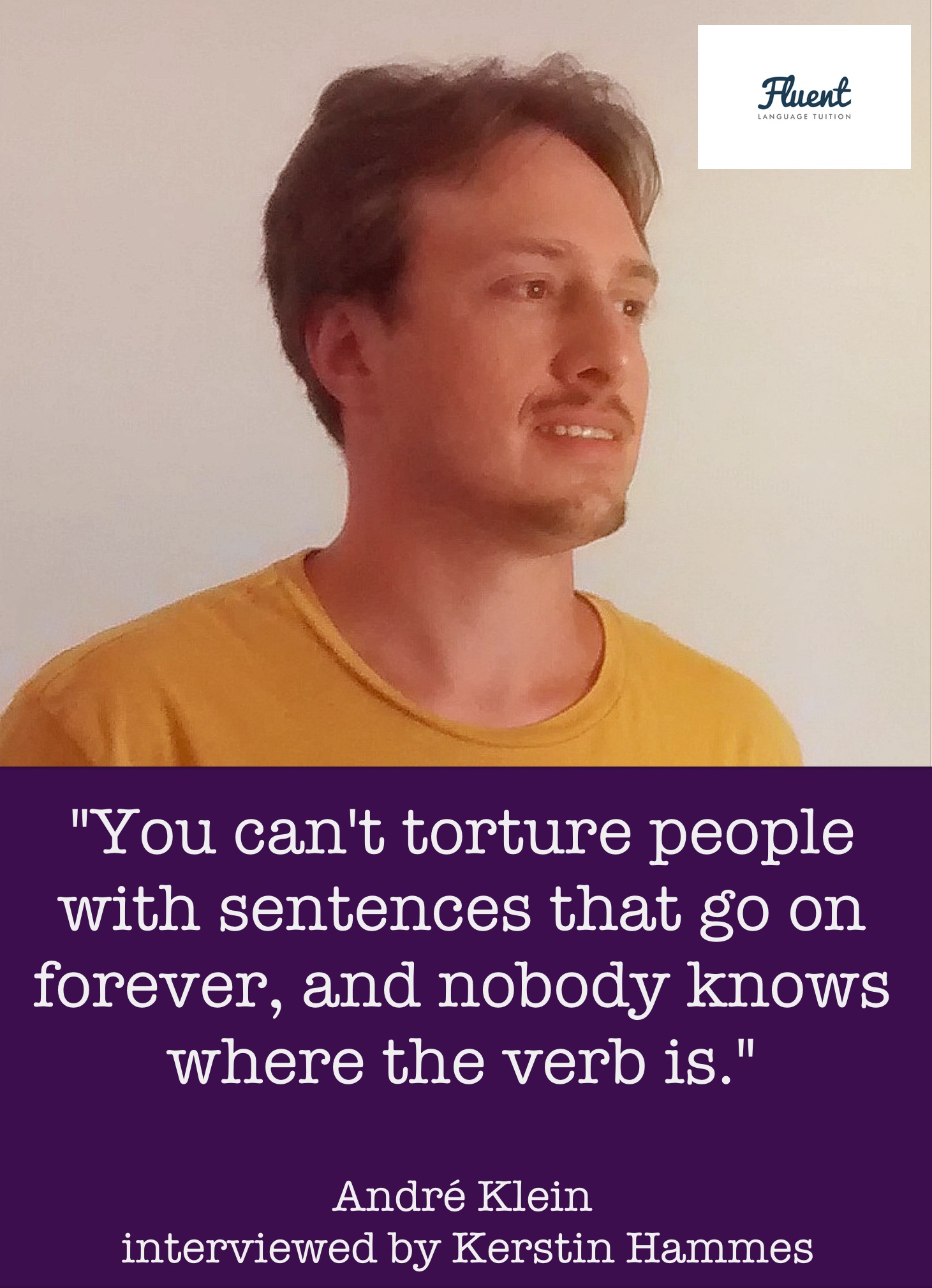
New Podcast! André Klein On Storytelling and Being Creative as a Learner
The new Fluent Language Podcast is out now, and I'll be sharing an inspiring interview with author André Klein. We discussed so much - freedom, creativity and other big ideas. Find out how to make things real for you.
Now on Stitcher
If you're using Stitcher, you can now find the Creative Language Learning Podcast on there too. Make it a star by giving it some stars! Here's an easy link to Stitcher's website.



Struggling with listening? Discover realistic tips, challenge prompts, and the best tools for improving your listening skills as a self-guided language learner